
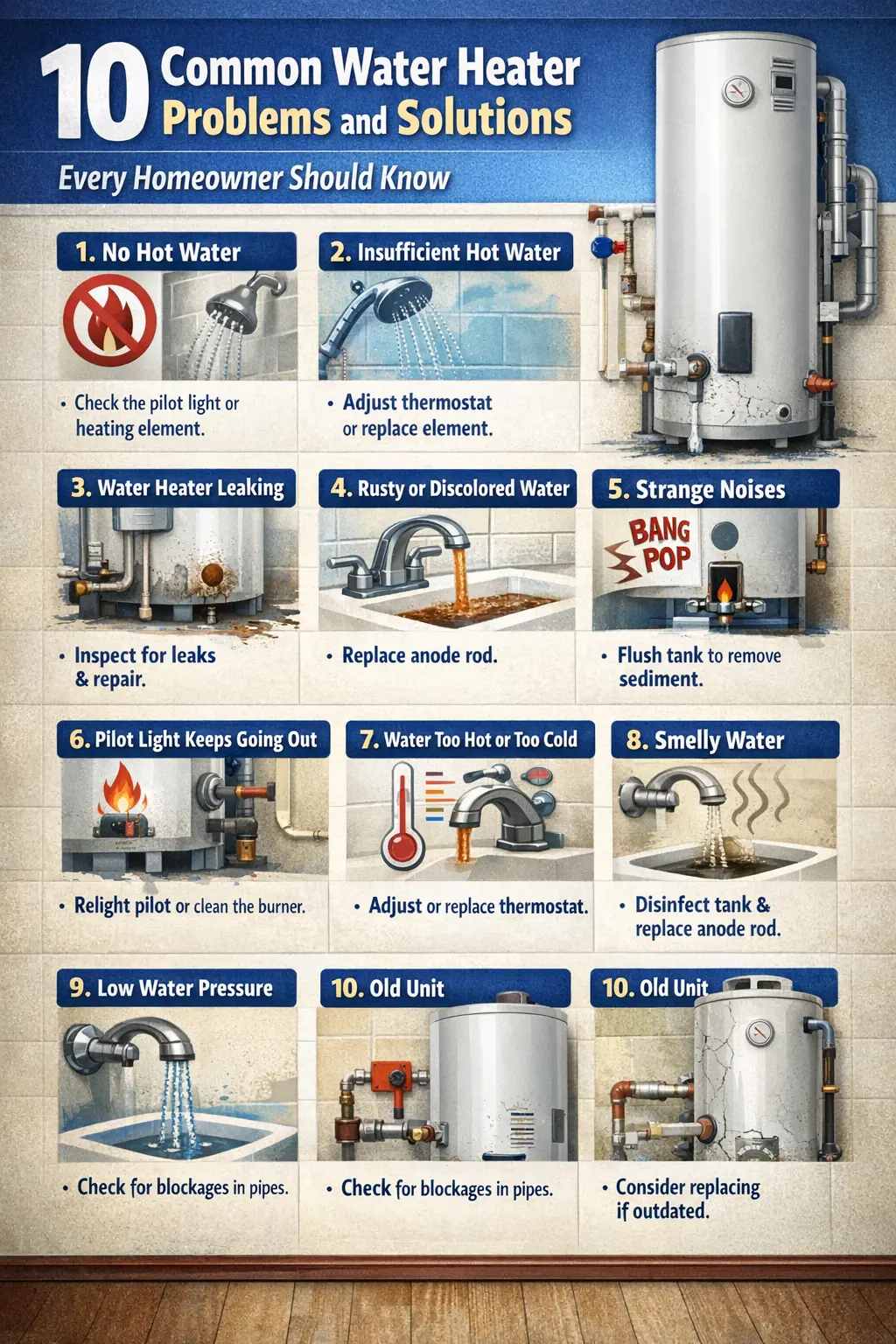
10 Common Water Heater Problems and Solutions Every Homeowner Should Know
Stepping into a cold shower is frustrating. Finding water pooling near your water heater is even worse. The good news? Most common water heater problems have simple fixes you can do yourself. If you face any problem related iphone guide then visit this page.
This guide covers the top water heater issues homeowners face. You’ll learn what causes these problems and how to fix them. We’ll show you when to DIY and when to call a licensed plumber.
Many water heater repairs are easier than you think. Simple steps like pressing a reset button or adjusting your thermostat can save hundreds of dollars. Let’s solve these water heater problems together.
Understanding Your Water Heater Basics
Types of Water Heaters
Most homes have tank water heaters. These store 30 to 80 gallons of hot water. They use heating elements to keep water hot all day. If you have any issue related to StabiliTrak then dont worry we also provide solution of this issue here on this website.
Your electric water heater has key parts you should know:
- Upper heating element and lower heating element – heat the water
- Thermostat – controls water temperature
- Temperature pressure relief valve (T&P valve) – releases dangerous pressure
Key Troubleshooting Steps
Before starting any water heater repair, check these basics:
- Check your circuit breaker in the breaker box
- Look at both heating elements
- Verify thermostat settings
- Inspect all connections for leaks
SAFETY WARNING: Always turn off power at the breaker box before working on your water heater. Use a non-contact voltage tester to confirm power is off. If you want to read about Happy New Year than visit this page
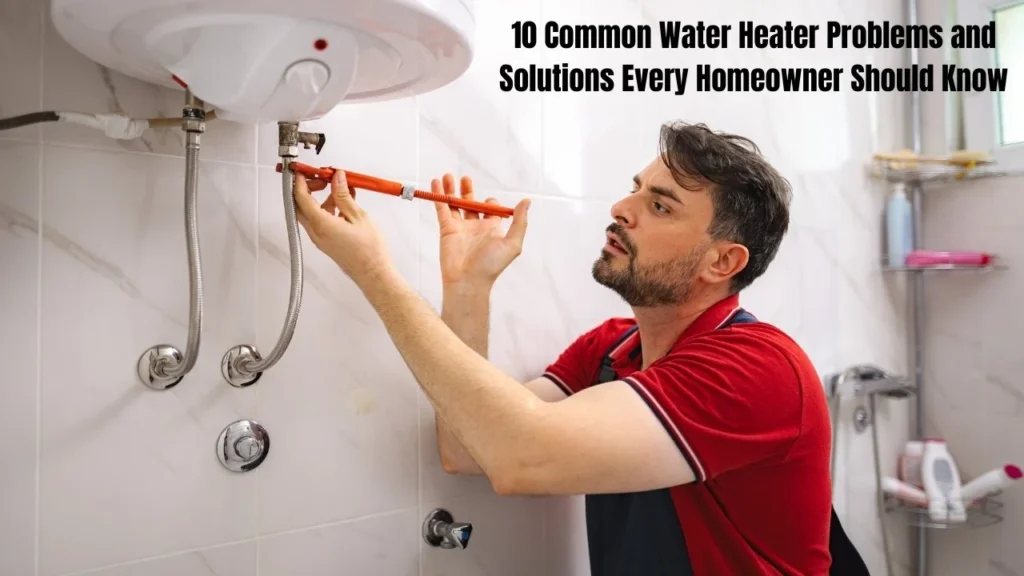
The 10 Most Common Water Heater Problems
Problem #1 – Water Heater Not Heating
What you’ll notice: No hot water from any faucet.
Common causes: Your circuit breaker tripped, the high-temperature limit switch activated, or heating elements failed.
How to fix it:
- Check the circuit breaker in your electric service panel
- If tripped, push it to OFF then back to ON
- Wait 30 minutes and test your water
If that doesn’t work, reset the high-temperature limit switch:
- Turn off power at the breaker box
- Remove the access panel
- Press the red reset button near the thermostat
- Replace the panel and turn power back on
- Wait one hour before testing
When to call a pro: If neither fix works, your heating elements likely need replacement.
Problem #2 – Inadequate Hot Water Supply
What you’ll notice: Hot water runs out quickly or stays lukewarm.
Common causes: Failed lower heating element or sediment buildup in the tank.
How to fix it:
For tepid water, flush your tank:
- Turn off power supply and water supply
- Connect a garden hose to the drain valve
- Open the pressure relief valve at top
- Open drain valve and let everything drain out
- Close valves, remove hose
- Turn water back on to refill
- Turn power back on once full
Maintenance Tip: Annual water heater flushing prevents sediment buildup and extends your unit’s life.
When to call a pro: Failed heating elements need professional replacement.
Problem #3 – Water Temperature Too Hot
What you’ll notice: Scalding hot water from faucets.
Common causes: Thermostat set too high.
How to fix it:
- Turn off power at breaker box
- Remove both access panels
- Check temperature on both thermostats
- Adjust to 120°F using a flathead screwdriver
- Replace panels and restore power
Safety Note: Keep water temperature settings at 120°F to prevent burns and save energy.
Problem #4 – Water Heater Leaking from Top
What you’ll notice: Water pooling on top of the unit.
Common causes: Loose cold water inlet or outlet pipe connections.
How to fix it:
- Turn off water supply
- Dry off the top completely
- Tighten loose connections with a wrench
- Turn clockwise but don’t overtighten
- Turn water supply back on
- Watch for leaks
When to call a pro: If leaks continue after tightening.
Problem #5 – Water Heater Leaking from Bottom
What you’ll notice: Water puddles beneath the unit.
Common causes: Loose drain valve, condensation, or tank corrosion.
How to fix it:
Check the drain valve:
- Dry the area around it
- Tighten with a wrench if needed
- Watch for new leaks
For condensation:
- Lower thermostat to 120°F
- Improve ventilation around the unit
When to call a pro: Tank corrosion means you need water heater replacement. Turn off power and water immediately to prevent flooding.
Problem #6 – Rusty or Discolored Hot Water
What you’ll notice: Brown water, yellow water, or red-tinted water from hot taps only.
Common causes: Worn-out anode rod or internal tank corrosion.
How to fix it:
- Flush the tank to clear rust particles
- Follow the flushing steps from Problem #2
- Let fresh water run through for 2-3 minutes
When to call a pro: Anode rod replacement needs a plumber. The anode rod replacement cycle is every 3-5 years.
Problem #7 – Foul-Smelling Hot Water
What you’ll notice: Hot water smells like rotten eggs.
Common causes: Bacteria in water heater reacting with the anode rod.
How to fix it:
- Raise thermostat to 140°F temporarily
- Let it stay for 12 hours
- Heat kills most bacteria
- Lower back to 120°F
When to call a pro: If smell returns quickly, you may need a different type of anode rod.
Problem #8 – Noisy Water Heater
What you’ll notice: Rumbling noise, popping sounds, or high-pitched whine.
Common causes: Sediment buildup causing water to boil under mineral deposits.
How to fix it:
Drain sediment from the tank:
- Turn off power supply and water supply
- Let water cool 2-3 hours
- Attach garden hose to drain valve
- Open temperature pressure relief valve at top
- Open drain valve at bottom
- Let all water and sediment drain out
- Close both valves
- Remove hose
- Refill tank completely
- Turn power back on
Prevention: Do this annual water heater flushing every year.
Problem #9 – Faulty T&P Valve
What you’ll notice: Constant dripping from the pressure relief valve.
Common causes: Worn valve seal or excessive pressure.
How to fix it:
- Turn off power and water supply
- Drain water by opening the valve with bucket underneath
- Unscrew old valve with a pipe wrench
- Apply Teflon plumber’s tape to threads
- Screw in new valve
- Attach the relief valve drain pipe
Safety Warning: Never cap or block a T&P valve. It’s an essential safety device.
Problem #10 – Water Heater Corrosion
What you’ll notice: Rust on tank exterior, rusty water, or tank leaks.
Common causes: Old age (past 8-12 years) or failed anode rod.
How to fix it:
You can’t repair tank corrosion. If you see rust or holes on the tank:
- Turn off power supply immediately
- Turn off water supply
- Drain the tank completely
- Call for water heater replacement
When to call a pro: Always. A corroded tank must be replaced.
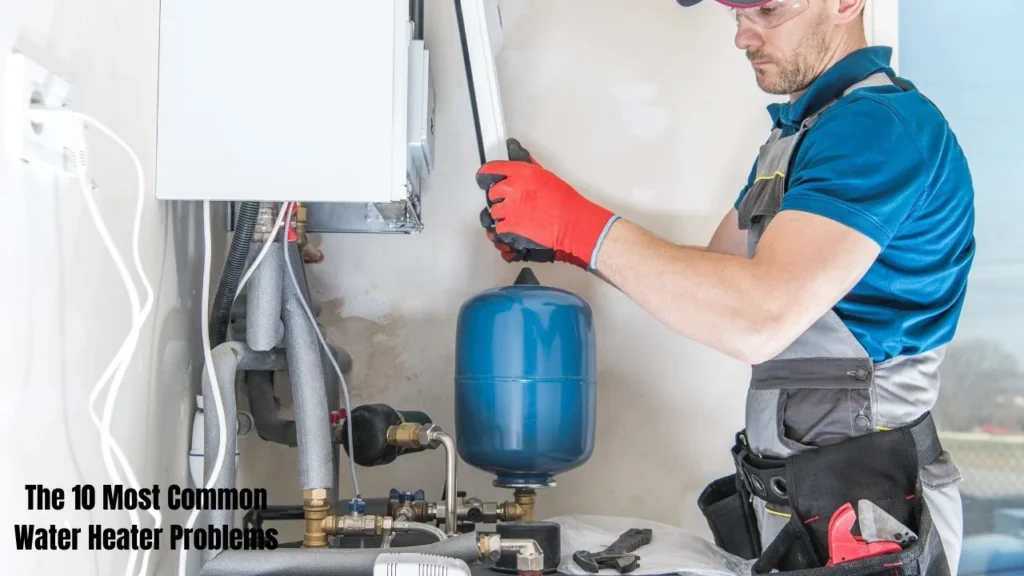
Preventing Water Heater Problems
Annual Maintenance Checklist
Regular preventive maintenance keeps your water heater running longer:
- Flush tank once per year to remove sediment
- Test T&P valve twice yearly
- Check anode rod every 3-5 years
- Inspect for leaks and rust
- Insulate hot water pipes for efficiency
- Keep water temperature at 120°F
Signs You Need Replacement
Watch for these warning signs:
- Unit is over 10-12 years old
- Frequent repairs needed
- Rusty water even after flushing
- Noisy water heater even after draining sediment
- Tank corrosion visible on exterior
- Major leaks from the tank itself
Average Lifespan: Most water heaters last 8-12 years with proper maintenance.
When to Call a Professional
Some water heater problems need expert help:
- Tank corrosion or damage
- Electrical issues beyond basic resets
- Heating element replacement
- Complete system replacement
- Suspected bacteria contamination
- Gas water heater issues
Check your warranty coverage before calling. Many repairs may be covered if your unit is still under manufacturer warranty.
Frequently Asked Questions
How do I reset my water heater?
Find the red reset button on the high-temperature limit switch. Press it firmly until it clicks. Wait one hour for the unit to heat water.
What causes most water heater failures?
Sediment buildup is the top cause of water heater failure. Minerals settle at the bottom and reduce efficiency. Regular flushing prevents this.
How long do water heaters last?
The typical water heater lifespan is 8-12 years. Proper maintenance can extend this. Poor water quality or neglect shortens it.
Can I repair a leaking tank myself?
No. Leaks from the tank itself mean internal corrosion. The entire unit needs replacement. This is not a DIY water heater repair.
What temperature should my water heater be?
Set your thermostat to 120°F. This prevents scalding, kills harmful bacteria, and saves energy. Going lower to 115°F saves more energy but may not eliminate all bacteria.
Conclusion
Most common water heater problems have simple solutions. Many repairs take just 30 minutes and basic tools. Resetting the water heater, adjusting the thermostat, or flushing sediment solves most issues.
Regular water heater maintenance prevents problems before they start. Annual flushing, testing the pressure relief valve, and checking the anode rod keep your unit running efficiently.
Know when to call a professional. Tank corrosion, electrical problems, and major component failures need expert help. But minor issues? You’ve got this.