
How to Tell What Refrigerant Type Your HVAC System Uses
Let’s face it: we hardly think about anything HVAC related until something goes wrong with it. In the summer, all we want is cool and breezy and a somewhat sane electric bill.
However, knowing your refrigerant type can help you avoid an unwanted dip into your wallet. We’re talking about thousands of dollars potentially. If you face any problem related iphone guide then visit this page.
After reading this article, you will know (1) how to find refrigerant in your system and (2) what this means for your pocket book and (3) when to schedule replacement rather than repair.
Why Your HVAC Refrigerant Type Actually Matters
The refrigerant is what does the cooling. It travels throughout your HVAC system, removing heat from the interior and discharging it outside. Equate this to the blood cipher in your body — without it, nothing functions. If you have any issue related to iPhone Front Camera then dont worry we also provide solution of this issue here on this website.
But the problem is, not all refrigerants are created equally.
Some are not made anymore (such as R-22). While others are being deprecated (i.e. R-410A) When your system requires a refrigerant recharge with an obsolete refrigerant, you could be facing thousands in costs or a dearth of service opportunities.
Knowing your refrigerant type now helps you:
- Avoid expensive surprises during repairs
- Plan for system replacement on your schedule
- Budget for rising refrigerant cost
- Make smart decisions about repair versus replace
Planning ahead beats making rushed decisions during a heatwave.
Easy Ways to Check HVAC Refrigerant Type
You don’t need special tools or technical skills to find AC refrigerant type. Just follow these simple methods.
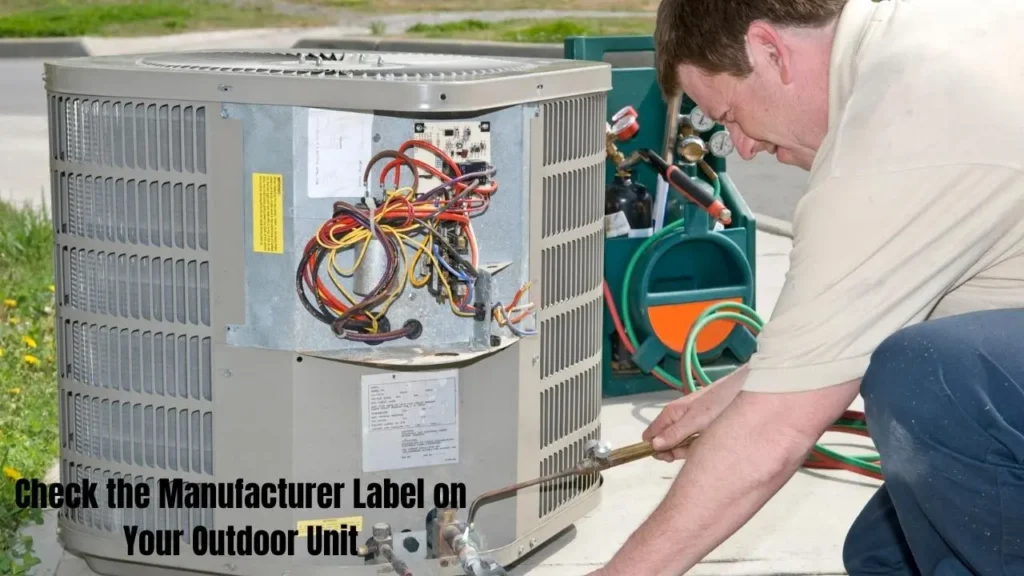
Check the Manufacturer Label on Your Outdoor Unit
This tool is the quickest way to determine HVAC refrigerant type.
Each outdoor condenser unit (the big metal box outside your home) has a manufacturer label where all the important info can be found.
How to find: It should be on the side panel of the label. That sticker is a white, silver or yellow sticker.
What to look for: Lines that say –
- “Factory Charge: R-22“
- “Refrigerant: R-410A“
- “Refrigerant Type: R-454B“
Pro tip: If the label is faded, use a flashlight and cloth to read it better. Take a photo for your records.
Use Your System’s Age
Can’t read the label? Your system age tells you a lot.
Before 2010: Almost certainly uses R-22 (Freon)
- This obsolete refrigerant stopped production in 2020
- Now extremely expensive and hard to find
2010 to early 2023: Probably uses R-410A (Puron)
- Started phase-out in 2024
- Still legal to service but prices rising
2024 and newer: Uses R-454B or other low-GWP refrigerant
- Meets current EPA standards
- Future-ready system built for the long term
Find your manufacture date on the serial number. The first four digits usually show: year (first two) and week (second two).
Look for Service Stickers
HVAC technicians often leave service stickers on your unit after HVAC maintenance or AC repair.
Where to check:
- Electrical access panel
- Side panels of outdoor unit
- Inside top panel under fan
What they show:
- Refrigerant type used
- Date of service
- Amount added
Also check old invoices or maintenance records. They often list the refrigerant.
Can’t find anything? Call your last service company. They can look it up by your address or serial number.
Search Your Model Number Online
Your model number (on the outdoor label) reveals everything.
Simple steps:
- Write down the model number exactly as shown
- Search it on the manufacturer’s website or Google
- Look for the specification sheet
This gives you accurate info straight from the manufacturer, including refrigerant type, capacity, and energy efficiency rating.
Check Service Port Colors
This is a quick visual clue, but don’t rely on it alone.
The small valve caps on your outdoor condenser unit use color codes:
- Green or black: Usually R-22
- Pink or rose: Typically R-410A
- Purple or dark blue: Often R-454B
Warning: Caps get replaced and colors fade. Use this to confirm other findings, not as your only method.
What Each Refrigerant Type Means for You
R-22 (Freon) – The Obsolete Option
Key facts:
- Production banned since 2020
- Only recycled supply available
- High global warming potential
Costs:
- Recharge: $500 to $1,500+ (if you can find it)
- Many techs don’t stock it anymore
What to do: Start planning system replacement now. Don’t invest in major repairs. One expensive recharge could cost 10-20% of a new system.
R-410A (Puron) – The Transition Phase
Key facts:
- Used 2010-2023
- Phase-out started 2024
- Still legal to service
Costs:
- Recharge: $200-$600 (but rising)
- Available for several more years
What to do: You have time, but plan for system upgrade within 5-10 years. Keep up with HVAC maintenance to extend system life.
R-454B – The Current Standard
Key facts:
- EPA-approved refrigerant for new systems
- Low-GWP refrigerant with less environmental impact
- Meets federal regulations
Costs:
- New system: $8,000-$15,000+ installed
- Stable long-term pricing expected
What it means: If you’re upgrading, this is what you want. It’s efficient, compliant, and future-proof.
Common Questions About HVAC Refrigerant
Is my R-22 system convertible to R-410A? Not recommended. Different refrigerants need different components. New system replacement costs are close to conversion costs.
Save on energy bills: the type of refrigerant used Yes. More efficient refrigerants, such as R-454B System age and HVAC maintenance matter the most overall, however.
Will this impact the resale price of my home? Absolutely. Buyers and inspectors notice. R-22 system means lower offers. It boasts a new R-454B system.
Or, how regularly should I be checking what kind of refrigerant I have? Once is usually enough. For the most part, except for the case where you’d have to replace your refrigerant system, you don’t really change refrigerant type.
When to Replace Instead of Recharge
Consider system replacement if:
- Your system is 15+ years old
- It uses R-22
- You’re facing frequent AC repair calls
- Energy bills keep climbing
- Comfort is inconsistent
Cost comparison: One or two R-22 recharges can cost as much as 10-25% of a new system. Plus, you’ll save on energy bills with better cooling efficiency.
New systems also qualify for rebates and tax credits, making cost of replacing HVAC more affordable than you might think.
Protecting Your Investment
Once you know your refrigerant type, take these steps:
For R-22 systems:
- Budget for replacement, not repairs
- Don’t ignore refrigerant leak issues
- Plan your timeline before emergency strikes
For R-410A systems:
- Keep up with annual HVAC maintenance
- Monitor refrigerant cost trends
- Start planning 5-10 year upgrade timeline
For R-454B systems:
- Follow manufacturer maintenance schedule
- Build relationship with qualified HVAC technician
- Enjoy peace of mind with modern system
Document everything:
- Take photos of labels
- Keep all service stickers and maintenance records
- Store model number and serial number info
- Save technician contact information
This helps with future service calls, home resale value, and warranty claims.
The Bottom Line: Know Your Refrigerant, Control Your Comfort
You started reading because you wanted to know what refrigerant your air conditioning system uses. Now you have five ways to find out, plus a clear understanding of what each type means for your wallet and comfort.
Here’s what to do next:
- Go check your outdoor unit label today
- Write down your refrigerant type and system age
- Assess whether you need to plan for replacement
- Make informed decisions instead of rushed ones
You don’t need to become an HVAC expert. But knowing your refrigerant type puts you in control. You can plan ahead, budget wisely, and avoid emergency replacement panic.
Because the best decisions come from being prepared—not pressured.