How to Make House Music: A Beginner’s Guide to Your First Track
Ever lost yourself in a house music track that makes your whole body move? Those hypnotic beats, that irresistible groove, those soulful melodies that lift your spirit? If you face any problem related iphone guide then visit this page.
What if you could create that feeling yourself?
Whether you’re brand new to electronic dance music or you’ve been messing around with beats, this guide breaks down exactly how to make house music. No confusing jargon. Just straight talk about creating tracks that move people.
Let’s dive in.
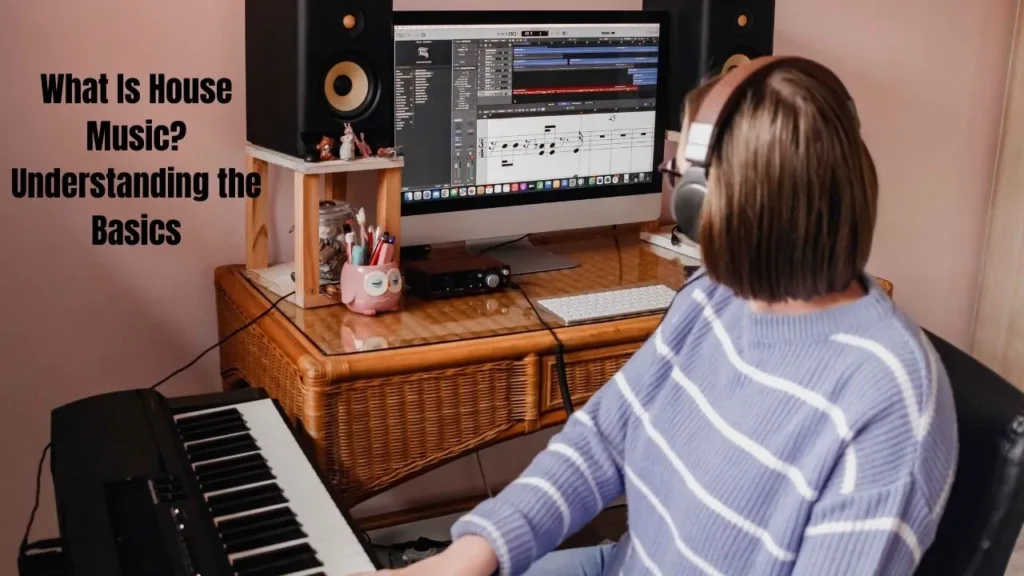
What Is House Music? Understanding the Basics
Before you start making house music, you need to understand what you’re creating.
House music was born in the club scene of 1980s Chicago. DJs like Frankie Knuckles at The Warehouse club mixed disco, soul, and drum machines into something completely new. The genre literally got its name from that club.
From Chicago house, the sound spread to Detroit, New York, and worldwide. It influenced everything from UK garage to modern EDM. Artists like Avicii owe their success to those Chicago pioneers.If you have any issue related to Server Version Matters then dont worry we also provide solution of this issue here on this website.
What Makes House Sound Like House?
The four-on-the-floor beat. The kick drum hits on every quarter note – boom, boom, boom, boom. It’s steady, hypnotic, and impossible to resist.
Tempo. Most house tracks sit between 120-130 BPM. This sweet spot is perfect for dancing.
Chunky basslines. The bass drives the track forward. It’s the personality of your song.
Funky chords and soulful melodies. Warm chord progressions with major seventh chords and minor chords create that uplifting feeling.
Repetition and groove. House thrives on repetition. A good loop-based structure keeps dancers locked in. Groove consistency makes people lose track of time on the dance floor.
“House music is a feeling. It’s not just about the beats – it’s about bringing people together through rhythm and soul.”
House Music Subgenres You Should Know
House music isn’t just one thing. Understanding subgenres helps you figure out what you want to make.If you want to read about transmission specialist than visit this page
Deep house is smooth and atmospheric. Think warm chords and subtle percussion.
Tech house blends house groove with techno’s minimal energy. Less melody, more rhythm.
Progressive house builds slowly, creating tension through epic melodic loops and long breakdowns. Think deadmau5.
Electro house brings aggression with heavy basslines and energetic drops.
Afro house incorporates African percussion and tribal rhythms. Incredibly danceable.
Acid house uses squelchy synthesizer basslines that sound almost alien.
Don’t pick a lane immediately. Listen widely. Your style develops naturally as you make more tracks.
Essential Tools to Make House Music
Good news: You don’t need thousands of dollars to start.
Your Digital Audio Workstation (DAW)
A Digital Audio Workstation is your virtual studio. Everything happens here.
Popular choices:
Ableton Live is the industry favorite for electronic dance music. Perfect for loop-based structure and live performance.
FL Studio is super user-friendly and great for beginners. The pattern-based workflow makes beat-making intuitive.
Logic Pro is excellent for Mac users. Comes packed with synthesizers, effects, and sample packs.
Free options:
Cakewalk is completely free and fully featured.
Tracktion Waveform Free offers unlimited tracks.
GarageBand comes free on every Mac.
Pick one and learn it. The best DAW is the one you’ll actually use.
MIDI Controllers
A MIDI controller lets you physically play your music instead of clicking with a mouse.
Keyboard controllers are perfect for basslines, chord progressions, and melodies. Budget options include the Akai MPK Mini.
Pad controllers are designed for programming drums and finger drumming. Great for tapping out kick drum patterns and hi-hats.
Not essential, but they make production way more fun.
Plugins and Synthesizers
Plugins are software instruments and effects.
Serum is the most popular synthesizer in electronic music. Perfect for bass and leads.
Massive and Sylenth1 are also excellent choices.
Free options:
Vital is essentially free Serum. Download it immediately.
TAL-NoiseMaker sounds amazing for free.
Spitfire LABS offers beautiful textures at no cost.
Sample Packs
Sample packs include pre-recorded sounds: kick drums, hi-hats, snares, claps, and vocal snippets.
Using samples isn’t cheating. Every professional uses them.
Splice is a subscription service with millions of royalty-free samples.
Loopmasters offers high-quality packs organized by subgenre.
Many companies offer free packs. Just make sure they’re royalty-free.
Headphones or Monitors
Your laptop speakers won’t work. You need accurate sound.
Headphones are often the better first investment. The Audio-Technica ATH-M50x are industry-standard and affordable.
Studio monitors like KRK Rokit or PreSonus Eris come later when budget allows.
How to Make House Music: Step-by-Step
Let’s actually make some house music.
Step 1 – Start with Drums
House music is built on drums. Start here.
The kick drum: Program a four-on-the-floor beat – kicks on every quarter note. Boom. Boom. Boom. Boom.
Use EQ to shape your kick. Cut below 30 Hz. Boost around 60-80 Hz for weight.
Hi-hats: Place closed hi-hats on every eighth note. Add syncopation by accenting certain hits. Pan them slightly for stereo width.
Snares and claps: Hit on beats 2 and 4. Add lots of reverb – that reverb tail becomes part of the groove.
Percussion: Add shakers, tambourines, congas. These create movement between main drum hits. Pan them around for width.
Step 2 – Build Your Bassline
The bassline gives your track personality.
Keep it simple and repetitive. One or two bars that loop is perfect.
Focus on rhythm and syncopation. Leave space – it creates more groove than filling every moment.
Sidechain compression is essential. Make your bass duck whenever the kick drum hits. This creates that pumping effect and prevents kick and bass from fighting in the low frequency range.
Every house producer uses this technique.
Step 3 – Add Chords
Chords give your track emotion.
Major seventh chords are everywhere in house. They sound warm and uplifting.
Keep progressions simple. Four chords are plenty. Some huge tracks use just two or three.
Play chords on offbeats rather than directly on the kick. This creates space and groove.
Try electric piano sounds, string pads, or synth stabs.
Step 4 – Create Melodies and Hooks
Keep melodies simple. A few notes repeated with slight variations work perfectly.
Vocal snippets are huge in house. Chop up vocal samples and arrange them rhythmically.
Synth leads can weave over everything else. Keep them in mid to upper frequencies so they don’t conflict with bass.
Step 5 – Add FX and Atmosphere
Risers build tension before drops. White noise sweeps create energy during transitions.
Reverb and delay add space and movement.
Subtle vinyl crackle gives tracks warmth and character.
Use filter automation to create tension and release. Close filters during breakdowns, open them for drops.

Structuring Your Track
Good structure keeps listeners engaged.
Intro (16-32 bars): Start minimal. Give DJs mixing room.
Build (16-32 bars): Introduce main elements. Energy builds.
Breakdown (16-32 bars): Strip things back. Create tension.
Drop (16-32 bars): Everything comes back. Full energy.
Outro (16-32 bars): Gradually remove elements. Leave drums for DJ mixing.
Work in multiples of 8 or 16 bars. Add something new every 8-16 bars.
Mixing Basics
Mixing balances all your elements.
EQ (equalisation) carves out space for each sound. High-pass filter removes unnecessary low frequencies from everything except kick and bass.
Sidechain compression on bass lets kick punch through.
Panning creates stereo width. Pan hi-hats and percussion left and right. Keep kick, bass, and snare centered.
Use reference tracks. Compare your mix to professional house tracks constantly.
Reverb and delay add depth without making things muddy.
Mastering Your Track
Mastering is the final polish.
Use a limiter to boost loudness without distortion.
Add multiband compression to keep frequencies balanced.
Use a spectrum analyser to check balance across the frequency range.
If you’re starting out, try online mastering services or focus on getting your mix right first.
Common Mistakes to Avoid
Overthinking kills creativity. Trust your ears.
Ear fatigue happens. Take breaks and come back with fresh ears.
Not finishing tracks. Done is better than perfect. Finish tracks to learn.
Mixing too loud. Keep levels reasonable. Leave headroom.
Ignoring the low end. Test your track on different speakers and headphones.
Pro Tips
Keep it simple. The best house tracks are clean and uncluttered.
Focus on rhythm. A tight rhythm section is everything.
Use reference tracks constantly. Compare your mix to favorites.
Have fun. Plug in your MIDI controller and start playing.
Ready to Make House Music?
You now have everything you need to start creating house music.
Open your DAW. Set the tempo to 124 BPM. Program that four-on-the-floor kick pattern. Add some hi-hats. Layer in a simple bassline.
Every professional producer started exactly where you are right now.
The most important step? Just start.
Your unique voice matters in house music. The dance floor is waiting for your tracks.
Now go make something that moves people.