
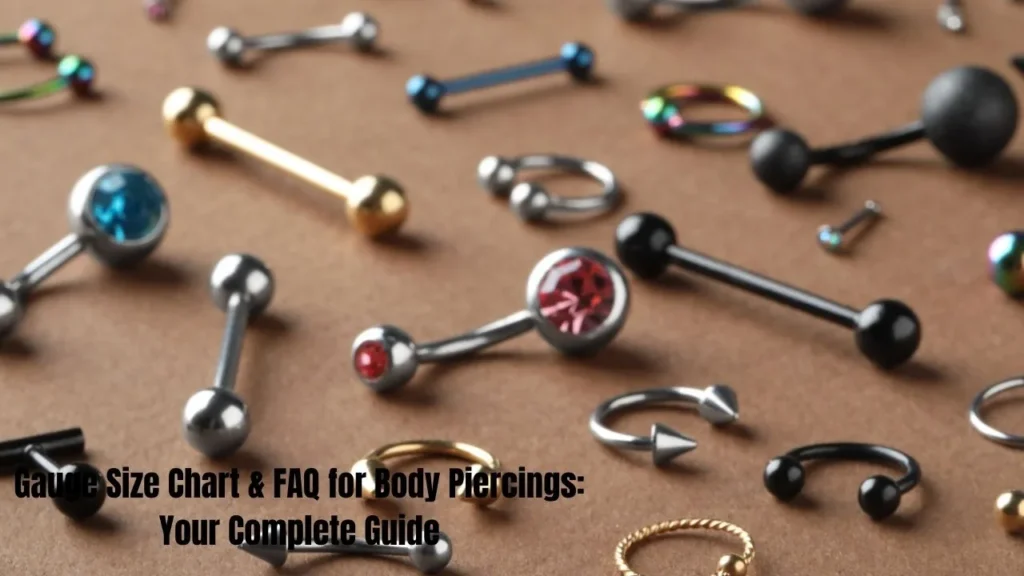
Gauge Size Chart & FAQ for Body Piercings: Your Complete Guide
You’re shopping for new body jewelry online. You see “14G,” “18G,” and “20G” everywhere. What do these numbers mean? Why does it matter?
Understanding gauge size is essential for anyone with piercings. The wrong size can cause pain, piercing complications, or jewelry that won’t fit. This guide explains everything about piercing gauge sizes in simple terms. If you face any problem related iphone guide then visit this page.
What Does Gauge Mean in Body Piercings?
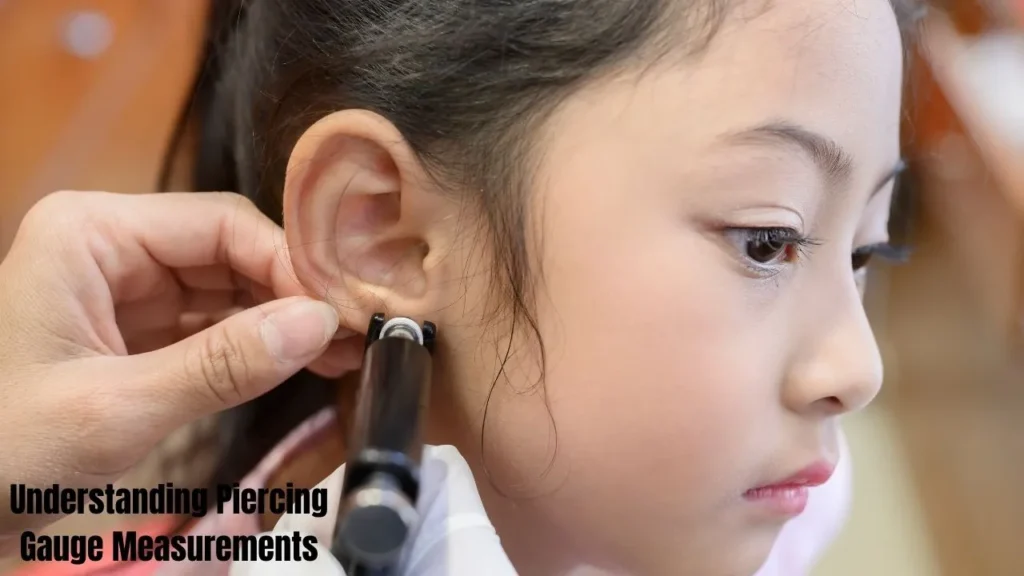
Understanding Piercing Gauge Measurements
Gauge refers to the thickness of your body jewelry. It measures how thick the barbell or post is that goes through your piercing.
Here’s the confusing part: higher gauge numbers mean thinner jewelry. A 22G barbell is very thin. A 14G barbell is much thicker.
Think of it backwards. The bigger the number, the smaller the jewelry.
For example:
- 22G = super thin (like a regular earring wire)
- 18G = thin (common for nose studs)
- 14G = thick (common for belly button rings)
Piercing jewelry ranges from 22G to 00G. After 00G, sizes switch to fractions of inches like ½” or ¾”.
Why Gauge Sizing Seems Backwards
The gauge measurement system comes from wire manufacturing. The system measures how many times wire was pulled through a die to make it thinner. More pulls meant a higher number but thinner wire.
This old system stuck around for body jewelry gauge measurements. It’s confusing at first, but you’ll get used to it quickly.
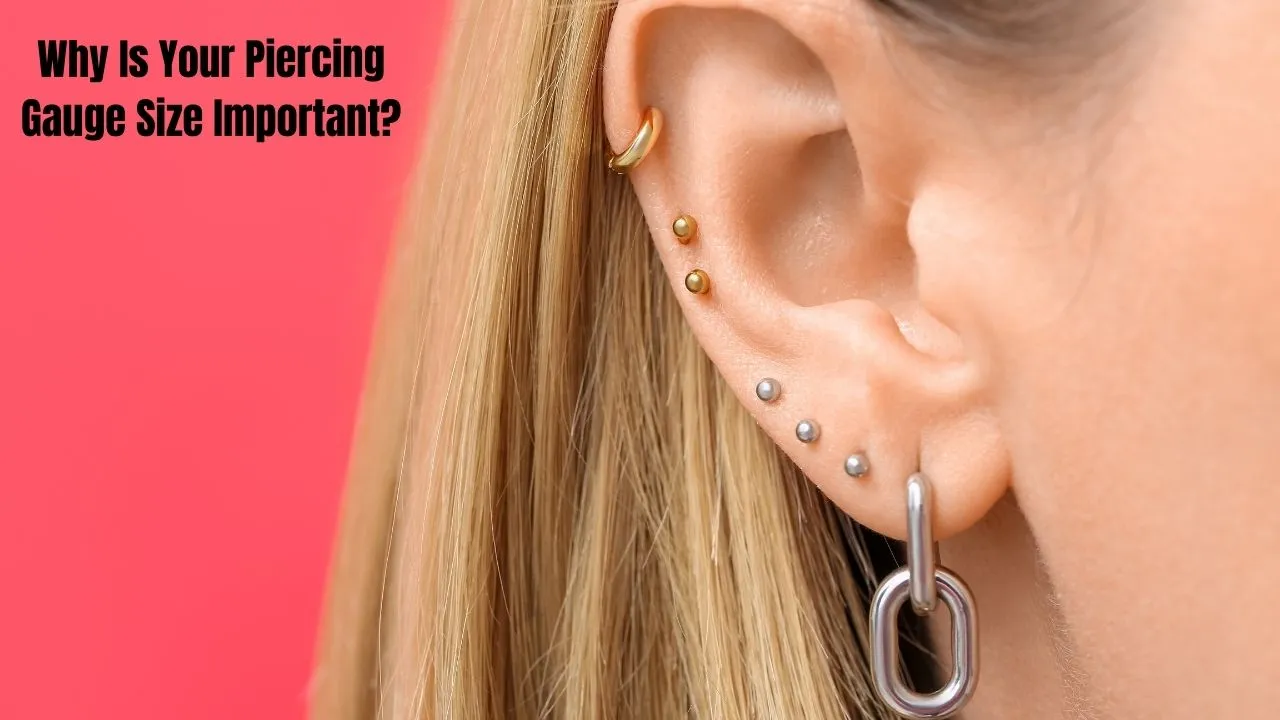
Why Is Your Piercing Gauge Size Important?
Health and Safety Considerations
Your piercing gauge matters for your health. When you get pierced, the piercing needle is a specific size. Your jewelry needs to match that exact gauge size.
Using the wrong gauge can cause serious problems:
- Jewelry that’s too thin may cause your body to reject it. Your body might see it as a splinter and push it out. This is called the “splinter effect.”
- Jewelry that’s too thick won’t fit through your piercing. Forcing it can tear your skin and cause damage.
- Rejected jewelry leads to migration, infections, and scarring.
Your piercer chooses your initial gauge based on your piercing location and how that area heals. Always stick with that size unless a professional tells you otherwise.
Aesthetic and Style Factors
Gauge size also affects how your piercing looks. Thicker jewelry makes a bolder statement. Thinner jewelry looks more delicate.
Current trends have changed over the years. In the past, ear lobe piercings were typically done at 20G or 18G. Now, many piercers use 16G or 14G for lobes. This allows for thicker jewelry styles and more versatile options.
If you want to wear chunky hoops or statement studs, you’ll need a larger gauge piercing. If you prefer dainty, minimal jewelry, a smaller gauge size works perfectly. If you have any issue related to My Car By VIN then dont worry we also provide solution of this issue here on this website.
Healing and Piercing Location
Different body areas need different gauge sizes. Your earlobe has different tissue than your cartilage or navel.
Professional body piercings in thicker tissue areas use larger gauge sizes. This helps with piercing healing and reduces complications. For example:
- Belly button rings use 14G because the tissue is thicker
- Nose studs use 20G or 18G because the nostril is delicate
- Tongue piercings use 14G for durability and healing
Your piercer knows which standard gauge works best for each location.
Standard Gauge Sizes for Different Body Piercings
Ear Piercings Gauge Chart
Ear lobe piercing: The most common piercing uses 20G or 18G traditionally. Modern piercers often use 16G or 14G for more jewelry options.
Cartilage piercings (helix, forward helix, tragus): These typically use 16G or 18G. Standard lengths are 3/16″, 1/4″, or 5/16″.
Industrial barbell: This long barbell connecting two cartilage holes uses 14G or 16G. Length varies by ear size, usually around 1 ½”.
Rook, conch, and daith: These inner ear piercings use 16G or 18G. Lengths range from 3/16″ to 3/8″ depending on your anatomy. If you want to read about Size Saddle You Need than visit this page
Facial Piercings Gauge Chart
Nose piercings (nostril): Standard gauge is 20G or 18G. Most nose studs come in 1/4″ or 5/16″ lengths.
Septum jewelry: Your septum piercing typically uses 14G or 16G. Common lengths include 3/8″, 7/16″, 1/2″, and 5/8″.
Eyebrow piercings: Usually 16G, though 14G is also common. Standard lengths are 1/4″, 5/16″, and 3/8″.
Monroe piercings: These lip-area piercings use 16G with lengths of 1/4″, 5/16″, or 3/8″.
Labret lip rings: Lip piercings use 14G or 16G depending on placement. Lengths are 1/4″, 5/16″, or 3/8″.
Body Piercings Gauge Chart
Belly button / navel ring: The standard piercing size is 14G. Common lengths are 3/8″ or 7/16″.
Nipple jewelry: Nipple piercings use 14G. Lengths include 3/8″, 1/2″, or 9/16″ based on anatomy.
Tongue piercings: Always 14G for safety and healing. Standard length is 5/8″, though this may be adjusted after swelling goes down.
Body piercings use larger gauge sizes because these areas have thicker tissue. The thicker jewelry provides better support and heals more reliably.
Complete Gauge Size Chart: Conversions & Measurements
Gauge to Inches Conversion Chart
Here’s your complete gauge conversion chart showing gauge to inches:
| Gauge | Inches |
|---|---|
| 22G | 0.025″ |
| 20G | 0.032″ |
| 18G | 0.040″ |
| 16G | 0.050″ |
| 14G | 0.064″ |
| 12G | 0.082″ |
| 10G | 0.102″ |
| 8G | 0.125″ |
| 6G | 0.162″ |
| 4G | 0.204″ |
| 2G | 0.250″ |
| 0G | 0.312″ |
| 00G | 0.375″ |
This gauge size chart helps when buying US gauge measurement jewelry online. Keep this chart handy when shopping.
Gauge to Millimeters Conversion Chart
If you’re buying metric jewelry sizes, use this millimeter conversion:
| Gauge | Millimeters |
|---|---|
| 22G | 0.64mm |
| 20G | 0.81mm |
| 18G | 1.0mm |
| 16G | 1.2mm |
| 14G | 1.6mm |
| 12G | 2.0mm |
| 10G | 2.5mm |
| 8G | 3.0mm |
| 6G | 4.0mm |
| 4G | 5.0mm |
| 2G | 6.0mm |
| 0G | 8.0mm |
| 00G | 10.0mm |
Many international jewelry retailers use millimeters (mm) instead of gauge. This inch to millimeter conversion ensures you get the right size.
Understanding Stretched Piercings and Large Gauges
After 00G, sizing changes to fractions of inches. This is common for stretched lobes and plugs.
Gauge stretching goes beyond 00G into sizes like:
- ½” (12.7mm)
- ⅝” (16mm)
- ¾” (19mm)
- 1″ (25mm)
Plugs and tunnels are jewelry types worn in stretched lobes. They’re solid or hollow cylinders that sit in large-gauge piercings.
Stretching protocols require time and patience. Never jump sizes quickly or you’ll cause tearing and damage.
How to Determine Your Piercing Gauge Size
Professional Methods for Checking Gauge Size
The most reliable way to know your gauge size is asking your piercer. They keep records of what gauge they used for your piercing.
Visit your professional body piercing studio and ask. They can measure with precision tools. Most piercers are happy to help even if you didn’t get pierced there.
Professional measurement takes seconds and ensures accuracy. This prevents buying wrong-sized jewelry.
DIY Methods to Measure Your Piercing Gauge at Home
You can measure at home with a gauge measurement card or caliper. These tools are inexpensive and available online.
A gauge card has different-sized holes punched in it. You slide your jewelry through each hole until you find the perfect fit.
Here’s how:
- Remove your jewelry carefully
- Try each hole on the gauge card
- Find the hole where your jewelry fits snugly but not too tight
- Check the gauge number next to that hole
Digital calipers give precise millimeter measurements. Measure your jewelry’s barbell thickness and use the gauge conversion chart above.
What If You Don’t Know Your Piercing Gauge?
Old piercings or piercings done with a gun make it harder to know your gauge size.
Piercing guns typically use 20G or 18G for ear lobe piercings. However, this isn’t always accurate. Gun piercings can be irregular.
Signs you’re wearing the wrong gauge:
- Jewelry feels too loose and moves around
- Jewelry won’t go through your piercing
- Redness or irritation around the piercing
- The hole looks stretched or torn
When in doubt, see a professional. Don’t guess and risk piercing complications.
Small Gauge vs Large Gauge: What’s the Difference?
Small Gauge Piercings (20G-18G)
Smaller gauge sizes like 20G and 18G mean thin jewelry. These work best for:
- Delicate nose piercings
- Traditional ear lobe piercings
- Areas with thin tissue
Thin jewelry styles look minimal and subtle. They’re perfect for professional settings or people who want understated piercings.
The downside? Limited jewelry options and higher risk of the splinter effect if you go too small.
Medium Gauge Piercings (16G-14G)
16G and 14G are the most popular sizes for body jewelry. This range offers:
- Great jewelry variety
- Good balance of durability and comfort
- Suitable for most piercing locations
- Less likely to cause rejected jewelry
Most cartilage jewelry, septum jewelry, and belly button rings fall in this range. You’ll find the widest selection of styles and materials.
Large Gauge Piercings (12G and Below)
Larger gauge sizes (12G, 10G, 8G, and beyond) are thicker and more visible.
These sizes are used for:
- Initial tongue piercings (before downsizing)
- People planning to stretch their piercings
- Statement jewelry looks
- Areas that need extra support
Piercing stretching gradually increases your gauge size. This is a slow process requiring months between size increases. Never rush it.
Common Misconceptions About Gauge Earrings
“Gauged Ears” vs. Stretched Lobes
People often say “gauge earrings” or “gauged ears.” This is technically wrong.
Every piercing has a gauge. Your tiny nose stud has a gauge (probably 20G). Your belly button ring has a gauge (likely 14G).
The term “gauged ears” should actually be “stretched lobes.” These are ear lobe piercings that have been gradually stretched to larger gauge sizes.
The confusion comes from people associating large gauge sizes like 00G with stretched piercings. But remember: gauge is just a measurement, not a piercing style.
Understanding Plugs and Tunnels
Plugs and tunnels are jewelry types for stretched lobes.
Plugs are solid pieces that fill your stretched piercing. They come in materials like wood, stone, glass, or metal.
Tunnels are hollow tubes that let you see through your earlobe. They create a dramatic look.
Both plugs and tunnels come in gauge sizes from 12G up to several inches. The stretching process takes time and patience.
FAQs
Can I Change My Piercing Gauge Size?
Yes, but only in specific situations.
Going larger requires stretching. This means gradually increasing your piercing size over months or years. Professional stretching protocols prevent damage.
Never force a larger gauge into your piercing. This causes tearing, scarring, and piercing complications.
Going smaller is trickier. Your piercing might shrink if you remove jewelry for a long time. However, once stretched past certain sizes (usually 0G or 00G), your piercing won’t close completely.
Always consult your piercer before changing gauge sizes.
What Happens If I Use the Wrong Gauge Size?
Using incorrect jewelry thickness causes problems:
Jewelry too thin:
- Your body may reject it (splinter effect)
- Migration of the piercing
- Increased infection risk
- The piercing may tear or stretch unevenly
Jewelry too thick:
- Won’t fit through your piercing
- Forcing it causes pain and tearing
- Can create scar tissue
- May require medical attention
Always use the proper jewelry size for your piercing.
Do All Piercers Use Standard Gauge Sizes?
Most professional piercers follow jewelry sizing standards. However, some variation exists.
Standard gauges are:
- Ear lobes: 20G–14G
- Cartilage: 16G–18G
- Nose: 20G–18G
- Belly button: 14G
- Tongue: 14G
Some piercers customize based on your anatomy or goals. This is why documentation matters. Ask your piercer what gauge they used and write it down.
How Long Until I Can Change to a Different Gauge?
Wait until your piercing fully heals before considering a gauge change.
Healing times vary:
- Ear lobes: 6-8 weeks
- Cartilage piercings: 3-12 months
- Nose: 2-4 months
- Belly button: 6-12 months
- Tongue: 4-6 weeks
For stretching, wait at least 2-3 months between size increases. Your piercer will create a safe stretching plan.
Never rush piercing healing. Patience prevents permanent damage.
What Gauge Size Do Piercing Guns Use?
Piercing guns typically use 20G or 18G for ear lobe piercings. The studs that come with guns are these sizes.
However, gun piercings have problems:
- Often irregular holes
- More trauma to tissue
- Higher infection rates
- Limited gauge accuracy
Professional body piercing with needles creates cleaner holes and more precise gauge sizes. Needles also allow proper gauge selection for your anatomy.
You can stretch gun-pierced ears to larger gauges, but see a professional piercer first. They’ll assess if your piercing is healthy enough.
Are Certain Gauge Sizes Better for Sensitive Skin?
Gauge size doesn’t directly affect skin sensitivity. However, proper jewelry size matters.
Key factors for sensitive skin:
- Material (titanium, niobium, or gold work best)
- Correct gauge fit (not too tight or loose)
- Quality manufacturing
- Appropriate length for swelling during piercing healing
A too-tight barbell puts pressure on sensitive skin. Too loose allows movement that irritates. The right gauge reduces friction and promotes healing.
Talk to your piercer about hypoallergenic materials in your correct gauge size.
Choosing the Right Gauge Size for Your New Piercing
Factors Your Piercer Considers
A good piercer evaluates several things before choosing your gauge:
Your anatomy: Tissue thickness varies by person. Thicker tissue can handle larger gauge sizes.
Piercing location: Each area has a standard piercing size based on years of professional experience.
Jewelry style: If you want specific jewelry types, your piercer may adjust the gauge accordingly.
Future goals: Planning to stretch later? Your piercer might start with a slightly larger gauge.
Trust your professional piercer. They understand jewelry sizing standards and your specific needs.
Industry Standards and Best Practices
The Association of Professional Piercers (APP) provides guidelines for standard gauge sizes.
Minimum safe gauges by location:
- Earlobes: 18G minimum (many use 16G or 14G)
- Cartilage: 16G minimum
- Nostril: 18G minimum
- Septum: 16G minimum
- Navel: 14G
- Nipples: 14G
- Tongue: 14G
Red flags to watch for:
- Piercers who use smaller than standard gauges
- Refusal to discuss gauge choices
- Pressure to pick sizes that seem wrong
- No explanation of gauge measurement
Jewelry sizing standards exist for your safety. Don’t let anyone talk you into going smaller than recommended.
Planning for Future Jewelry Options
Think ahead when choosing your initial gauge.
Starting with 16G or 14G for ear lobes gives you more jewelry choices than 20G. You’ll find better quality options and more styles.
If you might want to stretch later, discuss this with your piercer. They might recommend starting at 14G instead of 16G.
However, don’t pierce at a large gauge just because you might stretch eventually. Start at a standard size and stretch gradually if you decide to later.
Balance aesthetic preference with practical healing considerations.
Safety Tips for Gauge Size Selection
Never Go Too Small
Minimum safe gauge sizes exist for a reason. Going too small risks the splinter effect.
Your body recognizes very thin jewelry as a foreign object to remove. It may:
- Push the jewelry out (rejection)
- Form scar tissue around it
- Cause constant irritation
- Never heal properly
The thinnest you should ever go:
- Earlobes: 20G (many pros recommend 18G minimum)
- Cartilage: 18G
- Body piercings: 14G for most locations
Listen to your piercer’s recommendations. They understand what your body can safely handle.
Proper Gauge Sizing for Healing
Your initial jewelry gauge affects healing.
During piercing healing, your body swells. You need jewelry that:
- Accommodates swelling without embedding
- Doesn’t move around excessively
- Provides proper support for the tissue
- Matches the piercing needle gauge used
Your piercer might use a slightly longer barbell initially. After swelling decreases (usually 4-8 weeks), you’ll downsize to a shorter length—but keep the same gauge.
Never change gauge size during healing unless your piercer instructs you to.
Avoiding Cheap or Mismeasured Jewelry
Poor quality jewelry often has incorrect gauge measurements. A piece labeled 16G might actually be 18G or somewhere in between.
Problems with mismeasured jewelry:
- Won’t fit your piercing properly
- Causes irritation and complications
- Makes it impossible to know your true size
- Often made of low-quality materials
Where to buy quality gauge-specific jewelry:
- Reputable piercing studios
- Established online body jewelry retailers
- Companies that provide actual measurements in millimeters
- Brands recommended by APP members
Check reviews and return policies. If jewelry doesn’t fit despite being the “right” gauge, it’s likely mismeasured.
Quick Reference: Gauge Size Chart Summary
Most Common Gauge Sizes at a Glance
Keep this quick reference handy:
Ears:
- Lobes: 20G, 18G, 16G, or 14G
- Helix/Cartilage: 16G or 18G
- Industrial: 14G
- Tragus: 16G
- Rook/Daith/Conch: 16G
Face:
- Nose (nostril): 20G or 18G
- Septum: 14G or 16G
- Eyebrow: 16G
- Lip/Monroe/Labret: 14G or 16G
Body:
- Belly button/Navel: 14G
- Nipples: 14G
- Tongue: 14G
Remember: These are standard piercing sizes. Your specific piercing may differ. Always verify with your piercer.
How to Use This Information When Shopping
When buying body jewelry:
- Know your exact gauge size (check with your piercer if unsure)
- Use the conversion chart if the site lists millimeters instead of gauge
- Check reviews to confirm accurate gauge measurement
- Measure your current jewelry if replacing an existing piece
- When in doubt, ask the retailer or your piercer
Never guess your gauge size. A wrong guess wastes money and risks your piercing health.
Conclusion
Understanding gauge sizes empowers you to care for your piercings properly. You now know that gauge measures jewelry thickness, higher numbers mean thinner jewelry, and each piercing location has standard gauge sizes.
Remember these key points:
- Always know your specific piercing gauge
- Use the gauge conversion chart when shopping
- Never force wrong-sized jewelry into your piercing
- Consult a professional piercer before changing gauge sizes
- Quality matters—buy from reputable sources
Your piercing health depends on proper gauge selection. Too small risks rejection. Too large won’t fit. The perfect gauge size keeps your piercing happy and healthy.
When in doubt, ask questions. Good piercers love educating clients about body jewelry gauge and piercing care. They want your piercings to thrive just as much as you do.
Now you can shop confidently for body jewelry, knowing exactly what size you need. Keep your gauge size chart handy, measure carefully, and enjoy your perfectly fitted jewelry!
Pro Tip: Take a photo of your piercing’s gauge size and save it on your phone. Add notes about length measurements too. This makes jewelry shopping much easier, especially when you’re browsing online or at a store without your piercer nearby.