
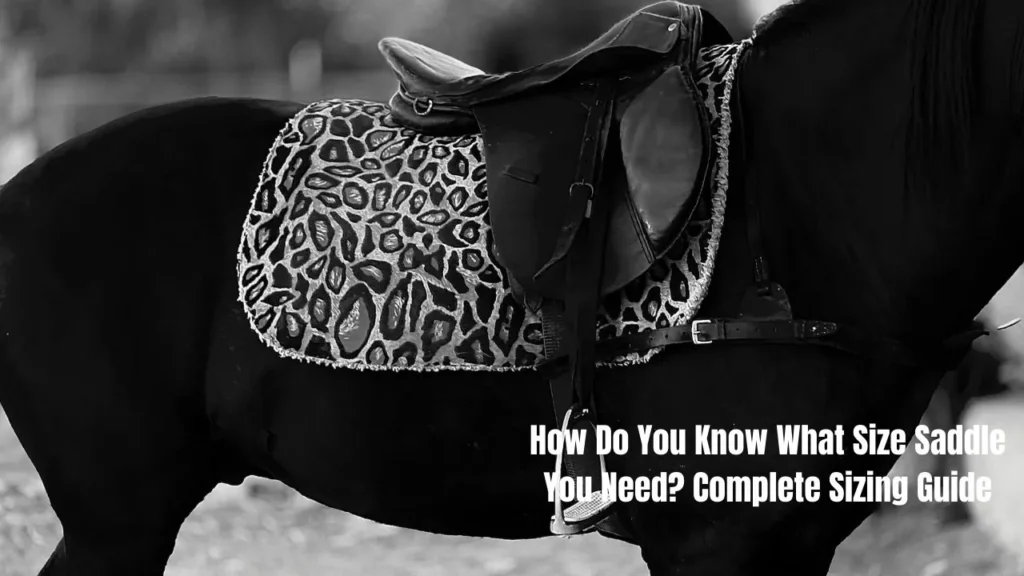
How Do You Know What Size Saddle You Need? Complete Sizing Guide
Choosing the right saddle can feel overwhelming. You stand in the tack shop, looking at rows of saddles, wondering which one will work. What size saddle do I need? This is one of the most common questions riders ask. And it’s an important one. If you face any problem related iphone guide then visit this page.
A saddle that doesn’t fit causes problems for both you and your horse. An undersized saddle leaves you cramped and uncomfortable. An oversized saddle makes you slide around and feel unsafe. For your horse, the wrong saddle fit can cause pain, sores, and even long-term injury.
This guide will help you understand everything about saddle size. You’ll learn how to measure yourself and your horse. You’ll discover the signs of poor fit. And you’ll walk away knowing exactly how to find the perfect saddle.
Why Does Saddle Size Matter?
Comfort and Safety for the Rider
Rider comfort starts with the right seat size. When your saddle fits properly, you can maintain good riding posture. Your body stays balanced and relaxed. You feel secure and confident.
A cramped saddle forces your body into awkward positions. Your legs can’t hang naturally. Your hips feel squeezed. After just a short ride, you’ll feel pain and discomfort.
On the flip side, a saddle that’s too large creates an unsafe riding position. You slide forward or backward. You struggle to maintain balance. This affects your ability to communicate with your horse. If you have any issue related to Gauge Size Chart then dont worry we also provide solution of this issue here on this website.
Health and Performance for Your Horse
Your horse’s comfort matters just as much as yours. The horse’s saddle size directly impacts their health and movement. A poorly fitted saddle creates saddle pressure points on your horse’s back.
These pressure points can cause immediate discomfort. Over time, they lead to back soreness, white hairs, and even permanent damage. Saddle pinching restricts your horse’s shoulder movement. This affects their stride and performance.
“A properly fitted saddle allows the horse to move more freely, comfortably, and efficiently, reducing risk of injury and increasing the ability to perform.”
When the saddle balance is correct, weight distributes evenly. Your horse can lift their back and engage their muscles properly. They move with freedom and grace. Horse movement becomes fluid and natural. If you want to read about Nose Ring Sizes than visit this page
Understanding Saddle Size Measurements
What Does Saddle Size Actually Mean?
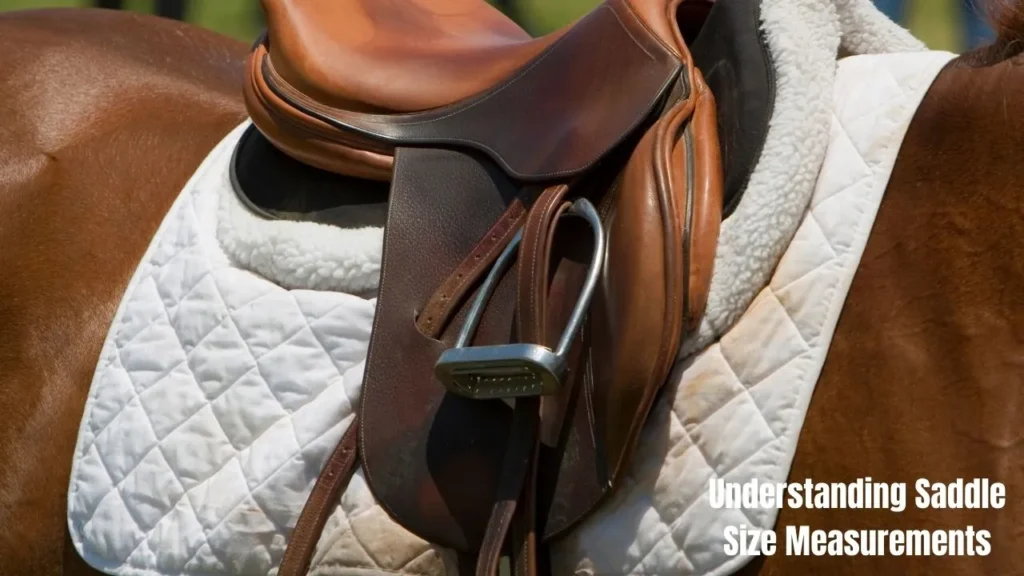
Saddle size refers to the seat measurement. This is measured from the back of the pommel (the front bump of the saddle) to the top of the cantle (the back part of the saddle).
Most saddles come in sizes ranging from 15 inches to 18 inches or larger. Each inch makes a significant difference in how the saddle fits your body.
But here’s what many riders don’t realize: saddle size is only part of the equation. You also need to consider the saddle tree size. The tree is the saddle frame that sits on your horse’s back.
The Two Key Measurements You Need
To find the perfect saddle, you need two critical measurements:
First, your rider’s saddle size. This determines how much room you have in the seat. It’s based on your body size and proportions.
Second, your horse’s saddle size. This refers to the saddle width and tree size. It must match your horse’s back shape perfectly.
Many riders make the mistake of only considering one measurement. They buy a saddle that fits them but hurts their horse. Or they choose based on their horse’s needs and end up uncomfortable themselves.
Both measurements matter equally. A truly proper fit serves both rider and horse.
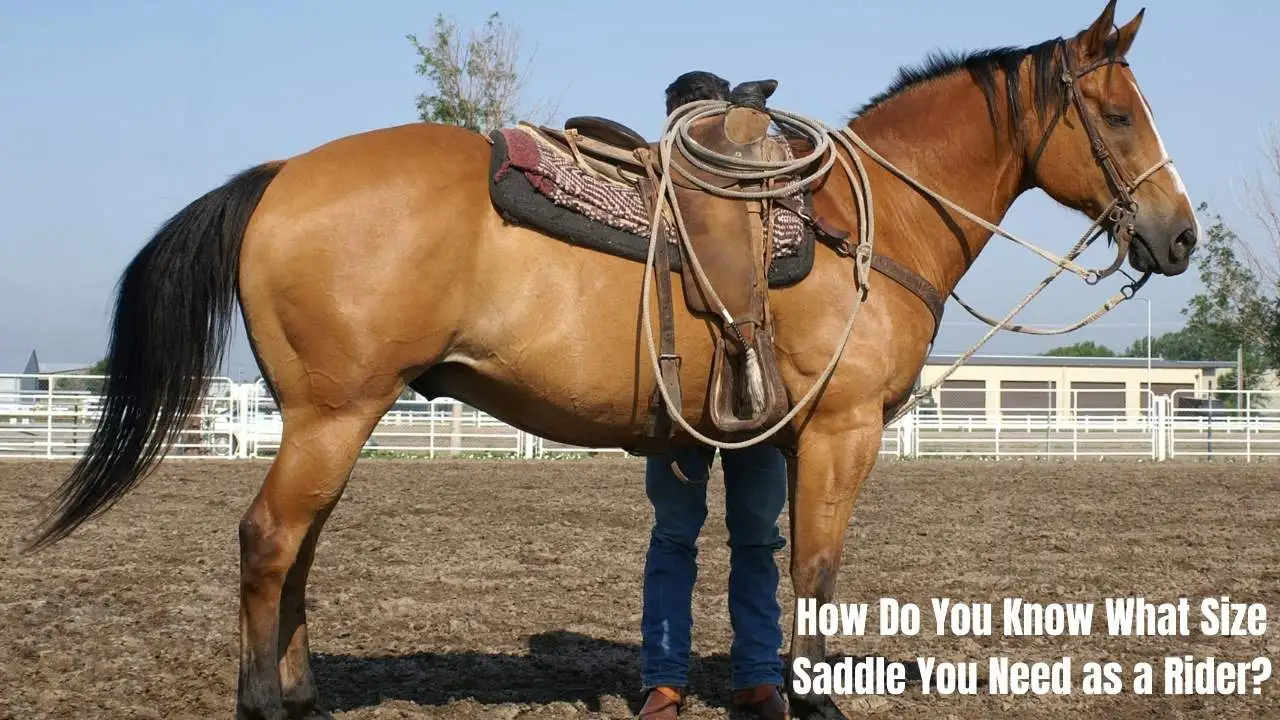
How Do You Know What Size Saddle You Need as a Rider?
Measuring Your Saddle Size Based on Body Measurements
The easiest way to estimate your saddle size is using a pant size guide. This method works well for most riders as a starting point.
Here’s the breakdown:
- If you wear size 0-2 pants (small), you probably need a 15-inch seat size
- If you wear size 4-8 pants (medium), go for a 16-inch seat
- If you wear size 10-14 pants (large), opt for a 17-inch seat
- If you wear size 16+ pants (extra-large), you may need an 18-inch seat or larger
Height and weight sizing also provides helpful guidance. Taller riders with longer legs often need larger seats, even if they’re slim. Shorter riders may be comfortable in smaller seats.
The Four-Finger Rule Test
Once you sit in a saddle, use the four-finger cantle space test. This simple check tells you if the seat size works for your body.
Sit in the saddle as you normally would while riding. Place your hand flat behind your seat, between your body and the cantle. You should be able to fit approximately four fingers in this space.
If you can’t fit four fingers, the saddle is too small. You’ll feel squeezed and restricted. This cramped saddle prevents proper movement and causes discomfort on long rides.
If you have more than four fingers of space, the saddle is too large. You have too much room to slide around. This creates an unstable rider balance.
How to Determine the Right Saddle Size for Your Horse
Understanding Saddle Tree Widths
The saddle tree size is the most crucial factor for your horse’s comfort. The tree provides the saddle’s structure and determines how it sits on your horse’s back.
The tree must follow the shape of your horse’s back without creating saddle gaps or pressure points. Saddle width at the front of the tree must match your horse’s shoulder width.
Common Tree Width Categories
Narrow Tree: For horses with high withers and narrow backs. Thoroughbreds often need this size.
Medium Tree: Most horses fall into this category. This is the most common saddle tree size available.
Wide Tree: Great for round horses with low withers. Many Quarter Horses need this width.
Extra Wide Tree: For draft horses and horses with very broad backs. These large breeds need special accommodation.
How to Measure Your Horse’s Back for Saddle Fit
You can measure your horse’s back using the flexible wire measurement method or a saddle fitting tool. Place the wire across your horse’s withers, about two inches behind the shoulder blade.
Press the wire down to follow the shape of the back. Remove it carefully while maintaining the curve. This gives you the horse back shape profile to compare with different saddles.
The back tracing method helps you see if a specific saddle tree matches your horse. A saddle fitter can provide expert guidance if you’re unsure about the measurements.
Signs Your Saddle Size is Wrong
Warning Signs for the Rider
Feeling squeezed or cramped in the saddle means it’s too small. You can’t move freely, and your position feels locked.
Slipping off saddle or sliding around indicates the saddle is too large. You struggle to maintain a secure seat.
Pain and injury in your hips, knees, or back after riding often points to improper fit. An incorrect saddle fit forces your body into unnatural positions.
Red Flags for Your Horse
White hairs or bald spots on the back indicate rubbing and sores from poor fit. These show up where the saddle creates excessive pressure.
Restricted movement in the shoulders or back means the saddle is limiting your horse’s natural motion. Your horse may resist moving forward or feel stiff.
Flinching when you place the saddle on their back tells you something hurts. Horse comfort should never be compromised.
Uneven sweat patterns under the saddle show uneven pressure distribution. Dry spots indicate areas where the saddle doesn’t make contact, while very wet spots show too much pressure.
Step-by-Step Guide: Finding Your Perfect Saddle Size
Step One: Measure Yourself
Use the pant size method as your starting point. Consider your height and leg length as well. Write down your estimated seat size.
Step Two: Measure Your Horse
Assess your horse’s back width and wither height. Use the flexible wire technique to trace the back curve. Note whether your horse needs a narrow tree, medium tree, wide tree, or extra wide tree.
Step Three: Try Before You Buy
Always test a saddle before purchasing. Sit in it and perform the four-finger test. Check your leg position and overall comfort.
Place the saddle on your horse. Look for proper saddle balance and no saddle gaps. Watch how your horse moves with the saddle on their back.
Step Four: Consult a Professional
Consider hiring a saddle fitter for expert help. Professional fitting catches problems you might miss. A saddle fitting consultation typically costs between $75-$200 but can save you thousands on the wrong saddle.
Step Five: Fine-Tune with Accessories
Saddle pads can help with minor adjustments. However, never use a thick saddle pad to fix a poorly fitting saddle. Pads should enhance comfort, not correct major fit issues.
Saddle pad adjustment works for small gaps or minor pressure distribution. But remember, accessories cannot replace proper saddle measurement and fit.
Common Mistakes When Choosing Saddle Size
Mistake One: Guessing Based on Previous Saddle
Your old saddle might have been the wrong size all along. Different brands size their saddles differently. Always measure fresh for each new saddle purchase.
Mistake Two: Using Only Your Measurements
Never select the correct saddle size based solely on your body. Your horse’s needs matter equally. Both rider’s saddle size and horse’s saddle size must work together.
Mistake Three: Relying Only on Saddle Pads
Saddle accessories help fine-tune fit, but they’re not solutions for major problems. A saddle too small or saddle too big needs to be replaced, not padded.
Mistake Four: Buying Without Testing
Online shopping offers convenience, but you can’t feel the fit through a screen. Always request a trial period. Many horse saddle shop retailers offer return policies specifically for fit issues.
Expert Tips for Ensuring Proper Saddle Fit
Regular Fit Checks
Check your saddle fit at least twice a year. Your horse’s body changes with age, weight, and muscle development. Young horses especially need frequent fit assessments.
Seasonal changes affect fit too. Horses often lose weight in summer and gain it in winter. What fits in June might not fit in December.
Working with Multiple Horses
Can one saddle fit different horses? Usually not. Each horse has a unique horse back shape. Unless your horses are very similar in build, they likely need different saddle tree size options.
Some adjustable fit saddles offer flexibility. These work well if you ride multiple horses occasionally. However, they’re not a perfect solution for every horse.
Youth Riders and Growing Bodies
Children grow quickly. Buying a saddle that’s slightly large can work temporarily. However, never compromise safety for future growth. An oversized saddle creates risk.
Used saddles make sense for young riders. They can upgrade as they grow without the high cost of new horse-riding gear.
FAQs
What do you do if your saddle is too small?
A saddle too small causes pain and injury for both rider and horse. Replace it as soon as possible. There’s no safe way to make a small saddle larger.
What happens if your saddle is too big?
A saddle too big creates an unsafe riding position. You’ll slide around and struggle with balance. For your horse, an oversized saddle can still create pressure points and restrict movement.
Can you use the same saddle on different horses?
Generally, no. Different horses have different back shapes and wither heights. A saddle that fits one horse perfectly will likely cause problems for another. Only very similar horses can share saddles safely.
How can I measure my horse’s back at home?
Use the flexible wire measurement technique. Bendable wire or special saddle fitting tool devices work well. Place the wire across the withers, press it to the back shape, and carefully remove it to preserve the curve.
Can a saddle pad fix a poor saddle fit?
No. Saddle pads provide cushioning and help with minor adjustments. But they cannot correct fundamental fit problems. Never rely on pads to fix a saddle that’s the wrong size.
How much does professional saddle fitting cost?
Professional fitting typically costs $75-$200 in the United States. Some saddle fitters include this fee as a credit toward saddle purchase. The investment prevents costly mistakes and protects your horse’s health.
Do saddle sizes vary between brands?
Yes. A 16-inch saddle from one manufacturer might fit differently than a 16-inch saddle from another brand. Always test each saddle individually, regardless of the size label.
Conclusion
Knowing what size saddle you need protects both you and your horse. The right saddle size keeps you balanced, comfortable, and safe. It allows your horse to move freely without pain and injury.
Remember the two key measurements: your seat size and your horse’s saddle tree size. Use the four-finger test for your fit. Check for proper saddle balance and no pressure points on your horse.
Don’t rush this decision. Try before you buy. Consider professional fitting if you’re unsure. Your horse’s comfort and your riding safety depend on getting this right.
A properly fitted saddle makes every ride better. You’ll feel more confident. Your horse will perform better. And you’ll both enjoy many comfortable hours together.
Contact Us
Need help finding the perfect saddle size? Visit us at horsesaddleshop.org/shop/ for expert guidance. Our saddle experts offer online consultation to help you choose the best horse-riding gear for your needs.
We carry a wide range of Western saddle options, leather saddle designs, and all the horse equipment you need. Our quality horse saddle shop serves riders across the USA with reliable products and excellent service.
Browse our collection today and discover saddles that fit both you and your horse perfectly!
Related Articles
- 5 Tips On How To Properly Fit Horse Saddle
- What Type of Saddle is Better for the Horse’s Back?
- Complete Guide to Western Saddle Care and Maintenance
- Understanding Different Types of Saddle Trees