
How to Determine Door Swing Direction or Handing
Getting the correct door handing is essential when you’re replacing or installing doors. Knowing how to determine door swing direction saves you time, money, and frustration. If you face any problem related iphone guide then visit this page.
This guide walks you through simple methods to identify door handing for any door replacement or new door installation project.
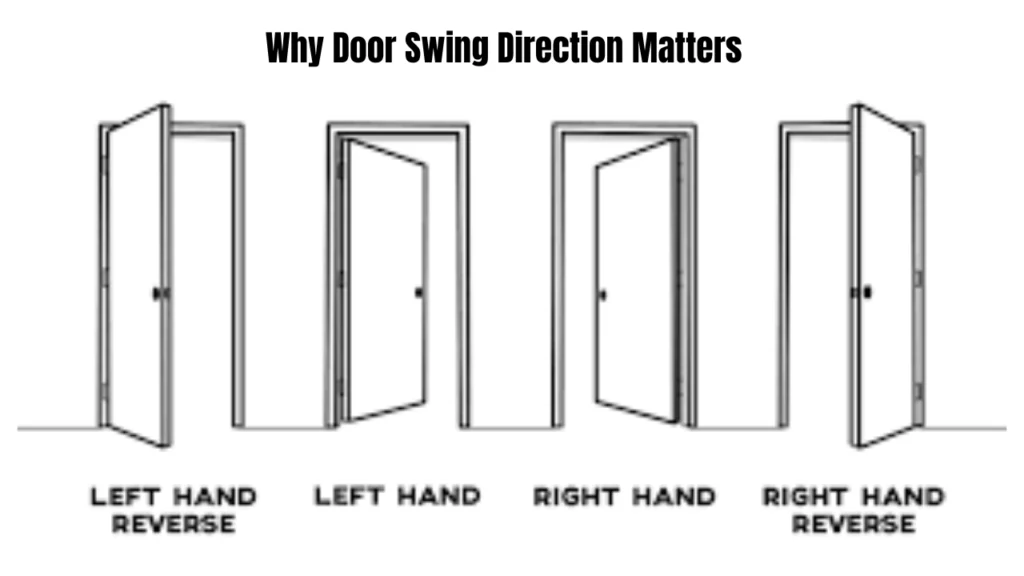
Why Door Swing Direction Matters
Door operation affects how you use every room in your home. The door opening direction impacts traffic flow, furniture placement, and overall functionality.
A door with the wrong door hand blocks furniture. It creates awkward entry points. It wastes valuable open space in your rooms. If you have any issue related to Identify Your Skin then dont worry we also provide solution of this issue here on this website.
Interior doors should swing into the room toward the nearest perpendicular wall. This maximizes usable space when the door is open.
Getting door handing wrong means paying return shipping fees and restocking charges. Most suppliers charge 15-25% to return incorrectly ordered doors.
Understanding Door Handing Terms
Left-Hand vs. Right-Hand Doors
Door handing tells you which side has the door hinges and which way the door opens.
A right-hand door has the door knob on your left when you stand in a specific position. A left-hand door has the knob on your right from that same position.
The key is knowing where to stand for this determination. If you want to read aboutCheck Property Ownershipthan visit this page
Key Terms You Should Know
Door jamb: The frame that surrounds the opening and holds the door.
Door latch: The mechanism that keeps the door closed, opposite the hinges.
Doorway: The complete passage including the frame and opening.
Rough opening: The framed space in the wall before door installation.
How to Determine Door Swing Direction for Existing Doors
Method 1: The Doorway Standing Test
This is the most reliable method for door replacement projects.
Step into the doorway with your back to the hinges. Stand sideways in the opening, facing the jamb where the door latch is located.
Look at where the door knob or door handle is positioned.
If the door knob is on your right side, it’s a right-hand door.
If the door knob is on your left side, it’s a left-hand door.
This method works every time because your position is always consistent.
“Stand with your back to the hinges, face the jamb, and note which side has the knob.”
Method 2: The Inside Room Method
Many people find this method easier to remember.
Stand inside the room where the door opens. Close the door completely.
Face the door from your position inside the room.
Handle on your right? You have a right-handed door.
Handle on your left? You have a left-handed door.
Use whichever method makes more sense to you. Both give the same answer.
How to Determine Door Swing for New Installations
Planning Interior Door Swing
When working with a rough opening, planning is essential.
The basic rule: interior doors should swing into the room toward the nearest perpendicular wall.
Consider furniture placement. The door function shouldn’t block beds, desks, or dressers when opening.
Think about traffic flow. The door operation should feel natural as people enter the room.
Special Room Considerations
Bathrooms: Doors should swing into the room for privacy. In small bathrooms, swing toward the toilet wall, away from the vanity.
Bedrooms: Swing inward toward the nearest wall to preserve wall space for furniture.
Closets: Walk-in closets use standard inswing doors. Reach-in closets may need bi-fold or sliding doors.
Quick Reference Checklist
Use this process to verify door swing before ordering:
Step 1: Open the door fully
Step 2: Stand with your back to the hinges
Step 3: Face the jamb where the door closes
Step 4: Note which side has the door knob
Step 5: Right knob = right-hand door, Left knob = left-hand door
Common mistakes to avoid:
Don’t guess based on which hand you use to open doors. Your dominant hand doesn’t determine door handing.
Don’t assume all doors in your home match. Check each doorway individually.
Always verify the swing direction (in or out) along with the hand.
Before You Order Your Door
Information to Gather
Take measurements before door purchase:
- Opening width and height
- Door jamb depth
- Existing door thickness
Take clear photos showing:
- The door hinges clearly visible
- The door handle position
- The doorway from outside
- The view from inside the room
Communicating with Suppliers
What information should you provide when ordering? Tell the supplier:
- Exact door handing (left or right)
- Swing direction (inswing or outswing)
- Door dimensions
- Door jamb specifications
Use standard terminology: “I need a left-hand inswing door” or “I need a right-hand outswing door.”
Ask about return policies before finalizing your door purchase.
Frequently Asked Questions
How do I know if I need a left or right-hand door?
Use the doorway standing test. Step into the doorway with your back to the hinges. If the door knob is on your right side, you need a right-hand door. If on your left side, you need a left-hand door.
Does it matter which way a door swings?
Yes. Door opening direction affects room functionality, safety, and building code compliance. Wrong door swing blocks furniture and creates awkward traffic patterns.
Can I reverse a door swing?
Technically yes, but it requires significant work including filling and re-cutting mortises in the door jamb. For new purchases, order the correct door handing from the start.
What is the standard door swing for interior doors?
Interior doors typically swing into the room toward the nearest perpendicular wall. This maximizes usable space and creates natural traffic flow.
Final Tips for Success
Always verify twice before ordering. Use two different methods to confirm the door hand.
Take reference photos from multiple angles. Document the door orientation clearly.
Double-check your order confirmation. Verify it shows the correct door handing, swing direction, and dimensions.
What’s the most important thing to remember? Stand with your back to the hinges and note which side has the knob. This simple step prevents costly mistakes.
“Five minutes spent verifying door handing prevents hours of frustration and expensive returns.”
Conclusion
Learning how to determine door swing direction is simple when you use the right method.
Stand with your back to the hinges, face the jamb, and check which side has the door knob. This technique works for existing door replacements and new door installation projects.
Getting the correct door handing affects your home’s functionality and your wallet. A few minutes verifying door hand saves money and hassle.
Use these methods next time you need to order a door. You now have the knowledge for successful door selection and installation planning.
If you found this guide helpful, share it with others working on home improvement projects. Getting the right door the first time makes all the difference.