How to Use Public Transportation in the USA: A Beginner’s Guide
Millions of people in the United States (USA) use public transportation every day. Learning how to use public transportation can save you money and help you get around easily. This guide will show you everything you need to know about buses, trains, and other transit options. If you face any problem related iphone guide then visit this page.
What is Public Transportation?
Public transportation means shared vehicles that everyone can use to travel. In the USA, this includes buses, subways, trains, and other services. The transportation system helps people get to work, school, and other places without needing a car.If you want to read about Want in a Relationship than visit this page.
Urban transportation is well-developed in big cities. You will find many options like subway systems and public bus routes. Rural transportation areas may have limited or no service. Some cities also provide special services for older adults and people with disabilities.
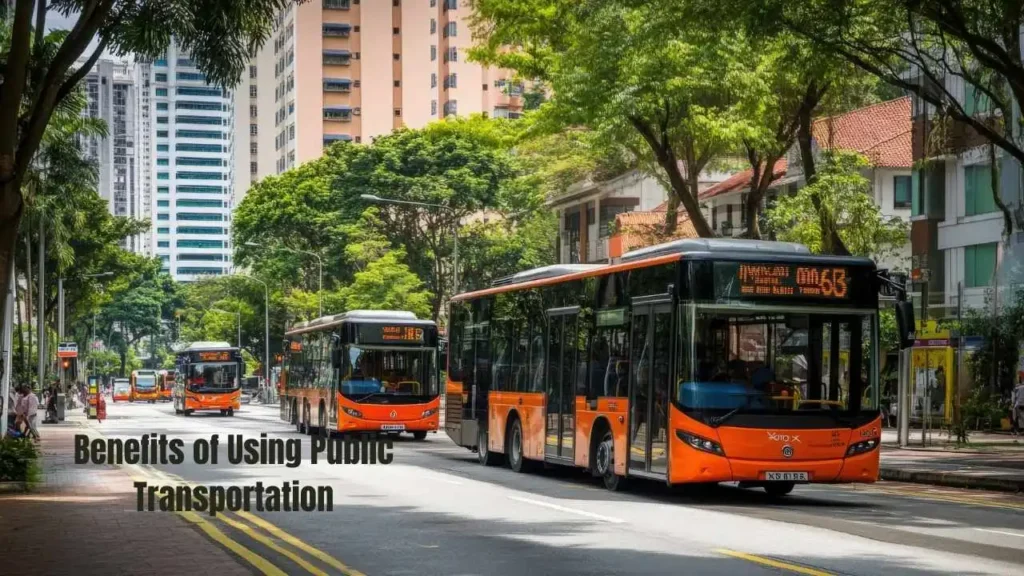
Benefits of Using Public Transportation
Using public transportation saves money. You do not need to pay for gas, parking, or car repairs. A monthly bus pass costs much less than owning a car. If you have any issue related to Driving License then dont worry we also provide solution of this issue here on this website.
You can avoid traffic and parking problems. City transit systems help you skip sitting in traffic congestion. You can use your commuting time to read, work, or relax instead of driving.
Public transportation also helps the environment by reducing pollution.
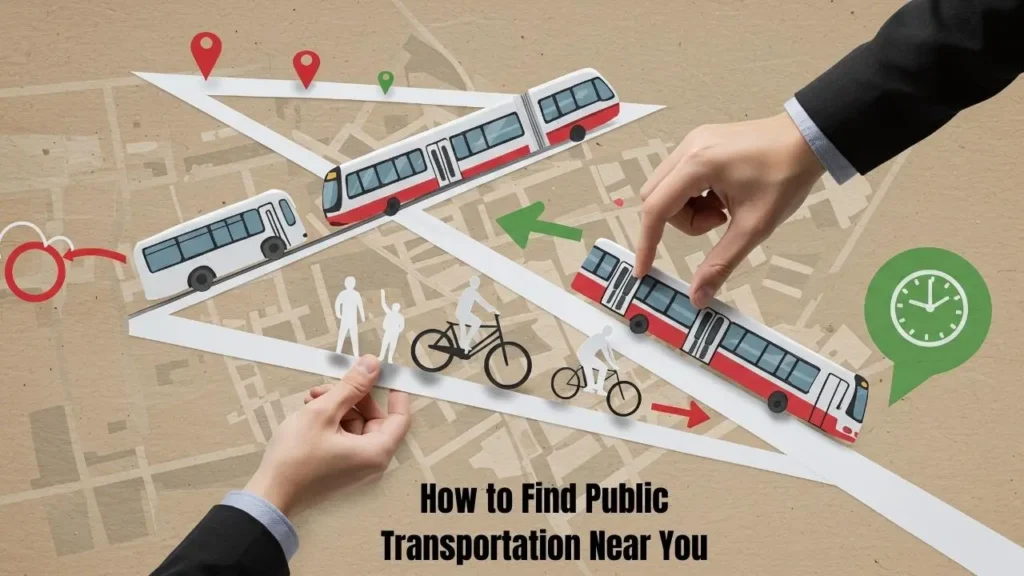
How to Find Public Transportation Near You
The first step is finding what transit options exist in your area. Google Maps is one of the best online navigation tools. It shows you directions for walking, transit directions, and driving directions.
Type your city name and “transit information” into a search engine. Most cities have websites with bus routes, maps, and schedules. Many cities also offer mobile transit apps for travel planning and real-time tracking.
How to Use Public Buses
Planning Your Bus Journey
Public buses are usually the most affordable transportation option. Every public bus has a bus route number. For example, bus number 52 follows the same path and stops at the same places every time.
Find bus maps online showing all routes in your city. You can also visit the main bus station and ask the information desk for help. Check the bus timetable to know when your bus arrives.
Important: Buses have different hours on weekdays and weekends. They may not run on holiday schedules like Christmas.
Practice your bus ride before your first day of work or school. This helps you know the route and find your stop.
Getting on the Bus
Find your nearest bus stop. Arrive a few minutes early. The bus might be late because of traffic or road construction.
When you see your bus coming, wave your arm at the bus driver. This signals you want to board. You usually get on at the front door by the driver.
Paying Your Fare
Pay the bus driver your bus fare when you board. You need exact change. If the bus costs $1.50, you need one dollar and fifty cents. The driver will not give you change.
A weekly bus pass or monthly bus pass saves money if you ride regularly. Many cities let you use a transit card or mobile transit apps to pay.
Student discounts and senior citizen fare reductions are available in most cities. Ask about discount programs for older adults and students.
During Your Ride
Find a seat or hold onto the handrails if the bus is crowded. Disability seating at the front is priority seating for people with disabilities, older adults, and pregnant women. This is courtesy seating practice.
Tell the bus driver if you are unsure where to get off. Many mobile transit apps show your location on the route.
Getting Off the Bus
Ring the bell or buzzer before your stop. This tells the driver to stop. Use the back door exit to get off. Wait until the bus stops moving completely.
If the bus is not crowded, thank the bus driver. This is good passenger etiquette.
How to Use Subway and Metro Systems
Understanding Subways
Subway systems and metro systems are underground trains that move people between subway stations. They are fast transportation because they avoid traffic.
The metro system costs more than buses but is faster and more reliable for your daily commute.
Buying Tickets
Buy tickets from ticket machines or at the ticket window. Some cities allow credit card payment at the transit gate. Many cities have mobile ticket apps for buying and storing passes on your phone.
Reading Subway Maps
Every subway system has subway maps showing subway lines and stations. Subway lines are like routes with set stops. You need to learn which line goes to your destination.
Each subway station has different train platforms. Choose the right platform based on which direction you are traveling. You may need to make line transfers at another station during your journey.
Using Major Subway Systems
Big cities like New York, Washington DC, Boston, Chicago, and San Francisco have subway systems. Search online for “subway system information” plus your city name to find specific guides.
Other Transportation Options
Taxis and Rideshare Services
Taxis and rideshare services like Uber and Lyft are cars you hire. These ride-hailing apps are convenient but expensive. They can get stuck in traffic just like buses.
Carpooling
Carpooling means riding together in one car to the same location. You might carpool to work with someone who lives nearby. This saves money and reduces traffic congestion. Make sure the driver has a valid driver’s license and car insurance.
Bicycles and Bike-Share Programs
Bicycles provide low-cost transportation. Many cities offer bike-share programs if you do not own a bike. Learn bike safety rules including wearing a bike helmet and using hand signals.
Ride in bicycle lanes following bicycle traffic rules. Always use a good bicycle lock for bike theft prevention. Most workplaces have bicycle parking areas.
Tips for Using Public Transportation
Getting Directions
Use Google Maps for route planning. Download mobile transit apps for real-time updates. Ask for help at information desks in bus stations or subway stations.
Safety and Etiquette
Stay aware of your surroundings. Keep your belongings secure. Give up priority seating for those who need it. Keep noise levels down and respect other passengers.
Common Mistakes to Avoid
- Not having exact change for buses
- Missing your stop
- Not checking holiday schedules
- Getting on trains going the wrong direction
When You Need Alternatives
If you live in a rural transportation area with no public transportation, you may need car ownership. Getting a driver’s license and car insurance is required by law in the USA. Consider carpooling, walking, or cycling as alternatives.
Conclusion
Learning how to use public transportation takes practice but gets easier over time. Start with a practice trip on a day when you are not in a hurry. Use online navigation tools like Google Maps and mobile transit apps to help you plan.
Public transportation provides affordable transportation, helps the environment, and gives you time during your daily commute. Whether you use public buses, subway systems, or bike-share programs, you now have the knowledge to navigate the transportation system confidently.
Do not be afraid to ask bus drivers, information desk staff, or other passengers for help. Everyone was a beginner once. With these tips, you will soon be commuting like an expert!