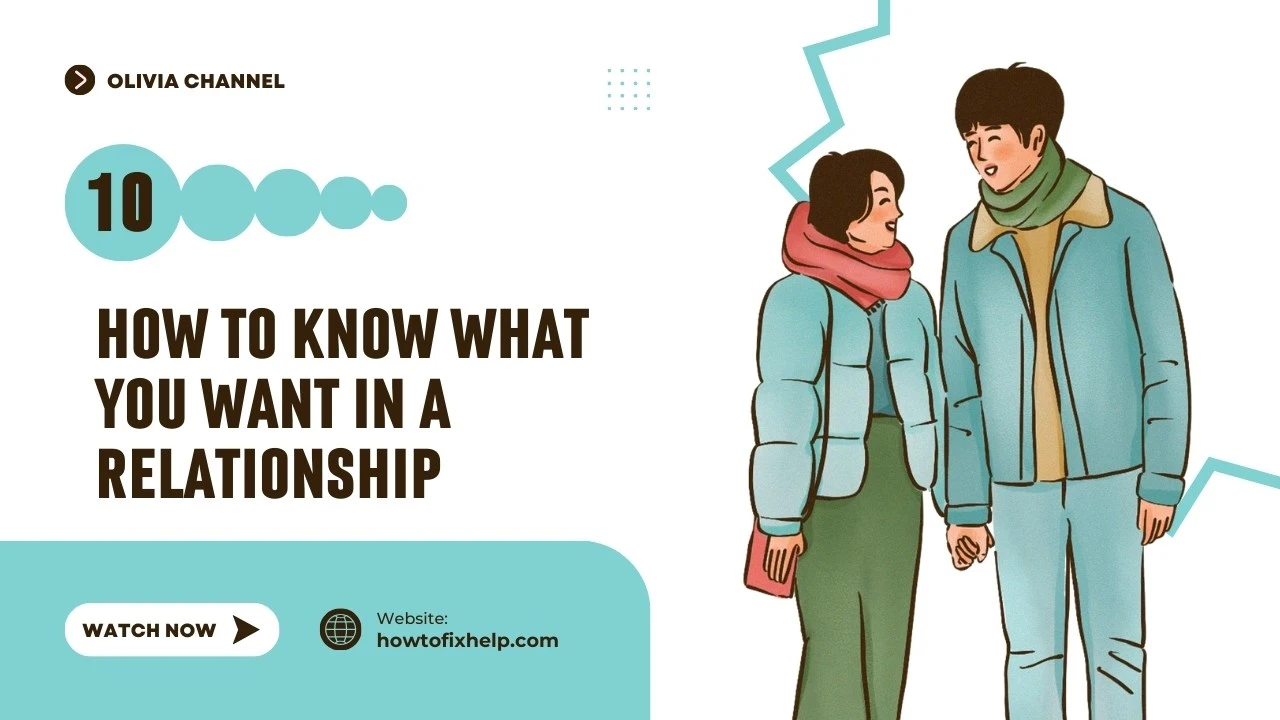
How To Know What You Want in a Relationship: A Simple Guide
Millions of people in the USA wonder about what they want in a relationship. Many struggle to identify their true needs and desires when it comes to romantic partners. Understanding your relationship goals is an important part of building a healthy partnership. This guide will help you discover how to know what you want in a relationship and how to communicate it clearly. If you face any problem related iphone guide then visit this page.
Learning what you want takes time and self-reflection. At first, it may be difficult to understand your own needs. You may feel confused or uncertain. But the process of figuring out relationship needs is worth the effort. When you gain relationship clarity, you can build stronger connections and find better matches.
Why Knowing What You Want in a Relationship Matters
Building Stronger Connections
When you know what you want in a relationship, you can find a better match. Relationship self-awareness helps you avoid wasting time with incompatible partners. Understanding your needs leads to more relationship satisfaction and emotional fulfillment.
Many people jump into relationships without clear goals. They hope things will work out naturally. But defining relationship wants early saves time and heartbreak. You deserve to be with someone who meets your important needs.
Healthy relationship traits start with knowing yourself first. When you understand your personal values, you can look for partners who share them. This creates a foundation for a successful relationship. If you have any issue related to Transportation in the USA then dont worry we also provide solution of this issue here on this website.
Improving Communication
Knowing what you want helps you express your needs to your partner. Open communication prevents misunderstandings and builds trust building. You can set personal boundaries when you understand your relationship priorities.
Honest communication is easier when you have relationship clarity. You can tell your potential partner exactly what matters to you. This includes your relationship deal-breakers and non-negotiables in relationships.
“The most important relationship you’ll ever have is with yourself. Know yourself first, and the right partnership will follow.” If you want to read about Required in College than visit this page.
Increasing Self-Awareness
Figuring out what you want in a relationship helps you understand yourself better. Self-knowledge leads to personal growth. You become more confident in your choices and decisions.
Self-worth and self-esteem improve when you know your needs. You stop settling for less than you deserve. Emotional intelligence grows as you learn about your feelings and desires.
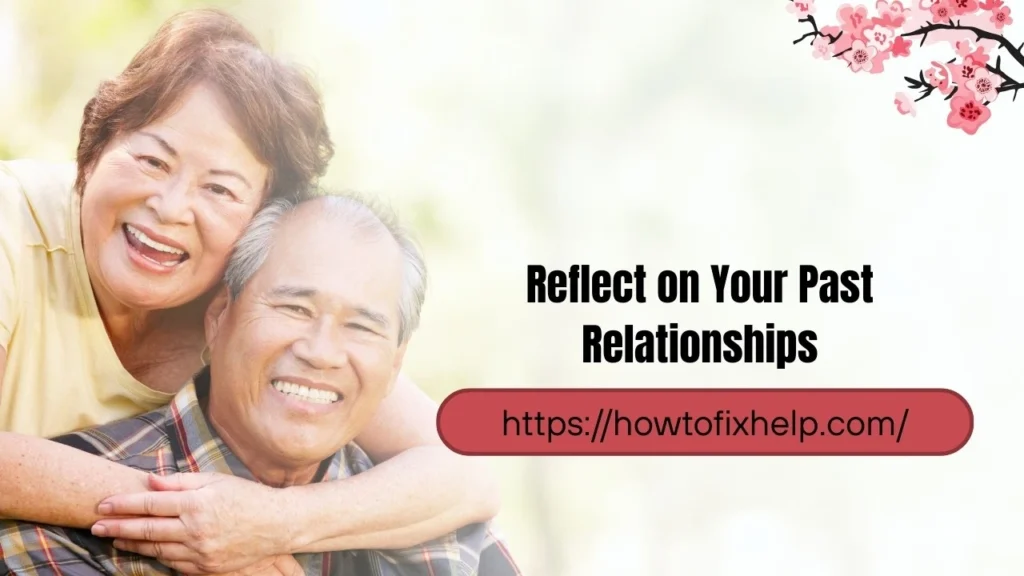
Reflect on Your Past Relationships
Learn From Previous Experiences
Think about what worked well in past relationships. Identify what did not work or made you unhappy. Write down patterns you notice in your relationship patterns. Consider both romantic partners and friendships.
Failed relationships teach valuable lessons. They show you what you don’t want. They also reveal your relationship deal-breakers. Be honest with yourself about these experiences.
Look at your relationship history with kindness. Everyone makes mistakes. The goal is to learn, not to blame yourself. Self-discovery comes from honest reflection.
Identify Red Flags and Deal Breakers
Make a list of behaviors you cannot accept in a relationship. Think about what caused problems in the past. Be honest about what you need to feel safe and respected. These are your non-negotiables in relationships.
Common relationship red flags include dishonesty, lack of communication, and controlling behavior. Different life priorities can also be deal breakers. Write these down clearly.
Relationship standards protect your well-being. They help you avoid unhealthy partnerships. Don’t feel guilty about having standards. Everyone deserves respect and kindness.
Recognize What Made You Happy
Remember the moments when you felt most loved and supported. Think about the qualities in partners that brought you joy. Consider what activities or experiences strengthened your relationships.
Write these positive memories down. They show you what relationship happiness looks like for you. They reveal your emotional needs and preferences. This information guides your future choices.
Understand Your Core Values and Beliefs
Define Your Personal Values
Your core values shape what you want in a relationship. Common values include honesty, loyalty, family, career, religion, and adventure. Think about what matters most to you in life.
Personal values come from many sources. Your upbringing, culture, and experiences all play a role. Cultural relationship norms and family influence affect your beliefs. Consider how these factors shape your views.
Make a list of your top five core beliefs. These are the things you cannot compromise on. They form the foundation of your relationship expectations. An ideal partner will share or respect these values.
Consider Your Life Goals
Think about where you see yourself in 5 or 10 years. Do you want marriage? Children? A certain lifestyle? Your relationship should support your life priorities.
Be clear about your timeline for major life decisions. Some people want children soon. Others prefer to wait or not have children at all. These are important relationship conversations to have early.
Long-term compatibility depends on aligned goals. You and your partner don’t need identical dreams. But your major goals should work together, not against each other.
Examine Your Beliefs About Relationships
What does a healthy partnership look like to you? How did your family influence and parental beliefs shape your views? Are there beliefs you need to update or change?
Social conditioning affects everyone’s relationship expectations. Society tells us what relationships “should” look like. But authenticity means following your own path. Question whether your beliefs truly belong to you.
Think about what kind of partnership you truly want. Let go of external pressure and friends’ expectations. Focus on what feels right for you personally.
Identify Your Emotional Needs
Understanding Different Types of Emotional Needs
Everyone has unique emotional needs in relationships. Common needs include affection, quality time, words of affirmation, and support. Some people need more independence. Others want closeness.
There is no right or wrong. Just what works for you. Emotional honesty about your needs is essential. Hiding your needs leads to unhappiness and resentment.
Emotional safety comes from having your needs met. When your partner understands what you need, you feel secure. This builds trust building and deeper connection.
Determine Your Communication Style
How do you prefer to express your feelings? Do you need a partner who talks things through? Or do you prefer someone who gives you space? Think about how you handle conflict and disagreements.
Transparent communication looks different for everyone. Some people process emotions out loud. Others need time alone first. Know your style and look for relationship compatibility in this area.
Consider what communication style makes you feel heard. This is a crucial part of knowing relationship priorities. Poor communication causes many relationship problems.
Assess Your Need for Independence vs. Togetherness
How much alone time do you need? Do you want to do most activities together or separately? Think about your ideal balance of “we time” and “me time”.
Be honest about your need for personal boundaries and space. Some people are very independent. They enjoy being single and need this freedom in relationships too. Others prefer spending most of their time with their partner.
Relationship compromise is important. But you shouldn’t ignore your basic needs. Find a partner whose independence level matches yours.
Consider Practical Relationship Factors
Think About Lifestyle Compatibility
Do you want to live in a city or rural area? What are your spending and saving habits? How important is physical fitness or health to you? Consider your social life and friend groups.
Lifestyle compatibility affects daily happiness. If you love outdoor adventures and your partner prefers staying home, this creates friction. Small differences are normal. But major lifestyle gaps cause problems.
Think about your daily routines and preferences. What does a typical weekend look like for you? What activities bring you joy? Look for partners who enjoy similar lifestyles.
Evaluate Financial Goals and Habits
What are your views on money management? Do you want to combine finances or keep them separate? Think about your financial goals like buying a home, saving, or retirement.
Be clear about debt and financial expectations. Money is a common source of relationship stress. Discussing boundaries around finances early prevents problems later.
Financial values reflect deeper core beliefs about security and priorities. Some people value experiences over possessions. Others prioritize saving and stability. Know where you stand.
Clarify Your Views on Major Life Decisions
Do you want children? How many? When? Where do you want to live long-term? How will you handle career opportunities that require relocation? What role will extended family play in your relationship?
These relationship conversations must happen before serious commitment. Many failed relationships end because partners assumed they agreed on these topics. Don’t make that mistake.
Write down your answers to these questions. Share them with potential partners within the first few months of dating. Honest communication about major life decisions is essential.
Take Time for Self-Discovery
Practice Self-Reflection Exercises
Set aside quiet time to think about what you want in a relationship. Journal about your feelings and desires. Ask yourself: “What would make me truly happy in a partnership?”
Self-awareness exercises help clarify your thoughts. Try writing for 10 minutes each day about your relationship hopes. Personal reflection reveals patterns and insights you might miss otherwise.
Be patient with yourself. This process takes time. Introspection is a skill that improves with practice. The more you reflect, the clearer your desires become.
Try New Experiences Alone
Spend time doing activities by yourself. Discover what brings you joy independently. Notice what you want to share with a partner versus keep for yourself.
Being single teaches you about yourself. It builds confidence in your own company. Alone time helps you separate your needs from what others expect of you.
Build a full life on your own first. Then a relationship adds to your happiness instead of creating it. This leads to healthy partnership dynamics.
Talk to Trusted Friends and Family
Ask people who know you well for their insights. Listen to observations about what makes you happy. Consider feedback about your relationship patterns.
Friends often see things you miss. They notice when you’re settling or ignoring relationship red flags. Their input can be valuable.
Remember: their input is helpful, but you make the final decision. Don’t let friends’ expectations override your own feelings. Use their observations as one piece of information.
Make Your Relationship “Want List”
Create Your Must-Have List
Write down the non-negotiable qualities you need in a partner. Keep this list short – 5 to 7 items maximum. Focus on character traits and values, not superficial qualities.
Examples include honesty, emotional availability, shared values, and respect. These are your non-negotiables in relationships. They reflect your core values and emotional needs.
Defining relationship wants clearly helps you make better choices. When you meet someone new, check them against this list. If they lack your must-haves, move on.
Identify Your “Nice-to-Have” Qualities
List qualities that would be great but aren’t deal breakers. These might include shared hobbies, sense of humor, or similar interests. Be realistic. No one is perfect.
Understanding negotiable vs non-negotiable traits prevents settling in relationships. You can be flexible on nice-to-haves. But never compromise on must-haves.
Remember that some things can be learned or developed over time. A partner might not share your hobby initially but grow to enjoy it. Or you might develop new interests together.
Distinguish Between Wants and Needs
Needs are essential for your happiness and well-being. Wants are preferences that enhance the relationship. Be honest about which is which.
Relationship standards are based on needs, not wants. Needs affect your emotional safety and self-worth. Wants add enjoyment but aren’t crucial.
Flexibility on wants allows you to find compatible partners. Being too rigid about minor preferences limits your options. Focus on what truly matters.
Understand What You DON’T Want
Recognize Your Deal Breakers
Make a clear list of behaviors or situations you cannot accept. Common relationship deal-breakers include dishonesty, disrespect, substance abuse, and controlling behavior.
Communicating deal-breakers early saves everyone time. Don’t hide these boundaries hoping they won’t matter. They always matter.
Trust your instincts about what feels wrong. If something bothers you deeply, it’s probably a deal breaker. Don’t talk yourself out of your feelings.
Learn to Spot Unhealthy Relationship Patterns
Watch for signs of emotional manipulation or control. Notice if someone disrespects your boundaries. Pay attention to how you feel around certain people.
Relationship red flags often appear early. Ignoring them leads to problems later. If something feels off, it probably is.
Common warning signs include: excessive jealousy, isolation from friends and family, constant criticism, and refusing to take responsibility. These indicate unhealthy dynamics.
Set Healthy Boundaries
Decide what behaviors you will and won’t tolerate. Know when to walk away from incompatible situations. Discussing boundaries clearly with potential partners is essential.
Personal boundaries protect your well-being. They show self-respect and self-worth. A good partner will respect your boundaries, not fight against them.
Practice expressing needs clearly and calmly. Use “I” statements like “I need honesty in my relationships.” This communicates your relationship standards effectively.
Give Yourself Time and Space
Don’t Rush the Process
Knowing what you want in a relationship takes time. It’s okay to be being single while you figure things out. Take breaks between relationships to reflect and grow.
Many people rush from one relationship to another. They never stop to think about what they truly want. This leads to repeated relationship patterns and failed relationships.
Trust that clarity will come. Self-discovery is a journey, not a destination. Each experience teaches you something new about yourself.
Be Patient With Yourself
Your wants and needs may change as you grow. It’s normal to not have all the answers right away. Give yourself permission to learn through experience.
Personal growth continues throughout life. What you wanted at 25 may differ from what you want at 35. This is healthy and normal.
Don’t judge yourself for past choices. Every relationship, successful or not, contributes to your self-knowledge. Each experience brings you closer to understanding relationship goals.
Revisit Your Goals Regularly
Check in with yourself every few months. Update your relationship wants as you grow and change. Relationship evaluation is an ongoing process.
Use relationship self-assessment tools like journaling or questionnaires. Ask yourself if your current path aligns with your values. Adjust as needed.
Stay flexible and open to evolution. Relationship clarity doesn’t mean rigidity. It means knowing yourself well enough to adapt consciously.
Test Your Relationship Vision
Date With Intention
Use your knowledge of what you want in a relationship to guide your dating expectations. Be upfront about your relationship goals early on. Pay attention to whether potential partners align with your vision.
Dating scene experiences should reflect your values. Don’t waste time on connections that clearly won’t work. This isn’t being picky. It’s being realistic.
Avoiding pretenses means being yourself from the start. Don’t hide your needs or preferences hoping to become more appealing. The right person will appreciate authentic expression.
Ask the Right Questions Early
Discuss important topics within the first few months. Ask about values, life priorities, and relationship deal-breakers. Listen carefully to the answers.
Important relationship conversations include: views on marriage, children, career goals, money management, and life priorities. Don’t avoid these topics because they feel uncomfortable.
Notice if actions match words. Someone might say they value honest communication but never share their feelings. Watch behavior, not just promises.
Trust Your Gut Feelings
Your intuition often knows what you want before your mind does. If something doesn’t feel right, pay attention. Don’t ignore warning signs or relationship red flags.
Emotional intelligence includes listening to your instincts. Your body and emotions give you important information. Feeling anxious or uncomfortable around someone is a signal.
It’s better to be being single than in the wrong relationship. Settling in relationships leads to unhappiness for everyone involved. Honor your feelings and needs.

Communicate What You Want Clearly
Practice Expressing Your Needs
Learn to articulate what you want in a relationship. Use “I” statements to share your feelings. Be specific rather than vague.
Example: “I need quality time together at least twice a week” is better than “I wish we spent more time together.” Expressing needs clearly prevents confusion.
Authentic expression means sharing your true thoughts and feelings. It requires vulnerability and courage. But it’s essential for mutual understanding and connection.
Have Important Conversations Early
Don’t wait too long to discuss your relationship wants. Bring up major topics like marriage and children within 3 to 6 months. Be honest even if it feels uncomfortable.
Communicating deal-breakers early respects everyone’s time. If you know you don’t want children and your partner does, this needs to be discussed soon.
The right person will appreciate your clarity. Open communication builds trust building and respect. It shows maturity and emotional honesty.
Listen to Your Partner’s Wants Too
Relationships require relationship compromise and mutual understanding. Pay attention to what your partner needs. Look for alignment and relationship compatibility.
Healthy partnership means both people’s needs matter equally. Discussing boundaries and preferences should go both ways. Create space for open communication from both sides.
Be willing to have ongoing conversations. Needs and wants can change over time. Regular relationship conversations keep you connected and aligned.
Common Mistakes to Avoid
Don’t Copy Someone Else’s Relationship Vision
What works for your friends may not work for you. Social media shows highlight reels, not reality. Focus on your own needs, not social conditioning or external pressure.
Friends’ expectations and parental beliefs don’t determine your path. Your relationship should reflect your unique values and needs. Authenticity means honoring your own truth.
Comparison steals joy. Every relationship is different. What matters is whether you feel happy and fulfilled, not whether your relationship matches others’.
Avoid Being Too Rigid or Too Flexible
Balance knowing what you want with realistic expectations. Don’t create an impossible checklist. But also don’t abandon your core values for someone.
Finding middle ground between relationship standards and flexibility is key. Be firm on non-negotiables in relationships. Be flexible on preferences and less important factors.
Settling in relationships happens when you ignore your needs. But being impossibly picky prevents connection. Find the balance that honors both openness and boundaries.
Don’t Ignore Your Own Needs
Putting your partner’s wants above yours leads to resentment. A healthy relationship honors both people’s needs. You deserve to have your desires respected.
Self-sacrifice doesn’t create lasting love. It creates imbalance and unhappiness. Emotional fulfillment requires having your needs met, not just meeting others’ needs.
Self-worth means believing you deserve good treatment. Don’t settle for crumbs of affection or attention. Know your value and require others to see it too.
When to Seek Professional Help
Consider Relationship Coaching or Therapy
A professional can help you clarify what you want in a relationship. Therapy is especially helpful if you have trauma from past relationships. Many therapists in the USA specialize in relationships.
Self-awareness exercises with a trained guide can be very effective. Therapists help you see patterns you might miss alone. They provide tools for personal growth and emotional intelligence.
Online therapy options make support more accessible. You don’t need to struggle alone. Professional help speeds up the process of self-discovery and relationship clarity.
Join Support Groups or Workshops
Relationship workshops can provide valuable insights. Support groups help you learn from others’ experiences. Many communities offer free or low-cost resources.
Relationship self-assessment tools in group settings offer new perspectives. You realize you’re not alone in your struggles. Others’ stories often spark your own self-knowledge.
Online forums and groups are also available. The dating scene can feel isolating. Connecting with others on the same journey provides support and encouragement.
Read Books and Take Courses
Many excellent resources exist on relationship needs and goals. Self-help books can guide your self-discovery process. Online courses offer structured learning.
Education empowers you to make better choices. Learning about healthy relationship traits and relationship compatibility gives you language for your experiences.
Knowledge builds confidence. The more you understand about relationships and yourself, the better equipped you are to create the partnership you want.
Conclusion
Knowing what you want in a relationship is essential for finding lasting happiness. This process requires honest self-reflection, time, and patience. You must invest in understanding relationship goals before finding your ideal partner.
Start by examining your past relationships, core values, and emotional needs. Create a clear vision of your must-haves and relationship deal-breakers. Practice open communication about your wants with potential partners.
Remember that what you want in a relationship may evolve as you grow. Personal growth continues throughout life. Stay flexible while honoring your non-negotiables in relationships.
Trust yourself and don’t engage in settling in relationships. The time you invest in figuring out relationship needs will lead to healthier, more fulfilling partnerships. Relationship satisfaction comes from authenticity and relationship clarity.
Be patient with the process. Self-discovery takes time. Celebrate your growing relationship self-awareness. You deserve a successful relationship that honors your true self and brings relationship happiness.
The journey of knowing what you want in a relationship is one of the most important journeys you’ll take. It leads not just to better partnerships, but to deeper self-knowledge and self-worth. Start today, and trust that clarity will come.