Broken Finger or Thumb: Essential Guide to Symptoms and Treatment
A broken finger or thumb can happen to anyone at any time. Whether you’re playing sports, working around the house, or simply going about your day, a finger fracture can occur in an instant. Many people wonder if they really need medical care for what seems like a minor hand injury. The answer is yes—even small bone breaks in your fingers need proper treatment.If you face any problem related iphone guide then visit this page.
This guide explains everything you need to know about broken fingers and broken thumbs, from recognizing symptoms to understanding treatment options.
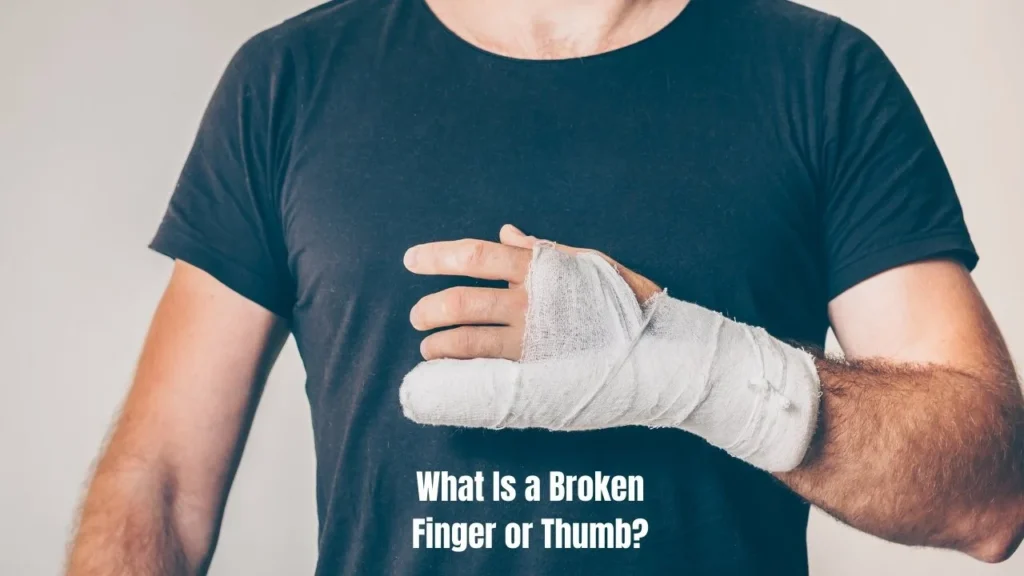
What Is a Broken Finger or Thumb?
A broken finger or broken thumb happens when one or more bones in your digit crack or break. Doctors call this a fracture. The terms “fractured finger” and “broken finger” mean the same thing.If you have any issue related to Spray Bottle Repair then dont worry we also provide solution of this issue here on this website.
Your fingers contain small bones called phalanges. Each finger has three of these finger bones, while your thumb has two thumb bones. These bones connect at your knuckles, which are the joints where bending happens. Any of these phalanges can break from injury or trauma.
Types of Finger Fractures
Not all bone breaks are the same. Here are the main types:
Nondisplaced fractures mean the broken bone stays in place. The bones remain properly aligned even though they’re cracked. If you want to read about Vacuum Leaks than visit this page.
Displaced fractures happen when broken bone pieces move out of alignment. These often need more intensive treatment.
Open fractures are serious. This occurs when bone protrudes through skin, creating a wound that needs immediate care to prevent infection.
“Small bones called phalanges make up your fingers and thumb. Any of these bones can break from accidents or trauma.”
How Do You Know If Your Finger or Thumb Is Broken?
Recognizing a broken finger or thumb helps you get treatment quickly. Here are the key signs:
Common Symptoms
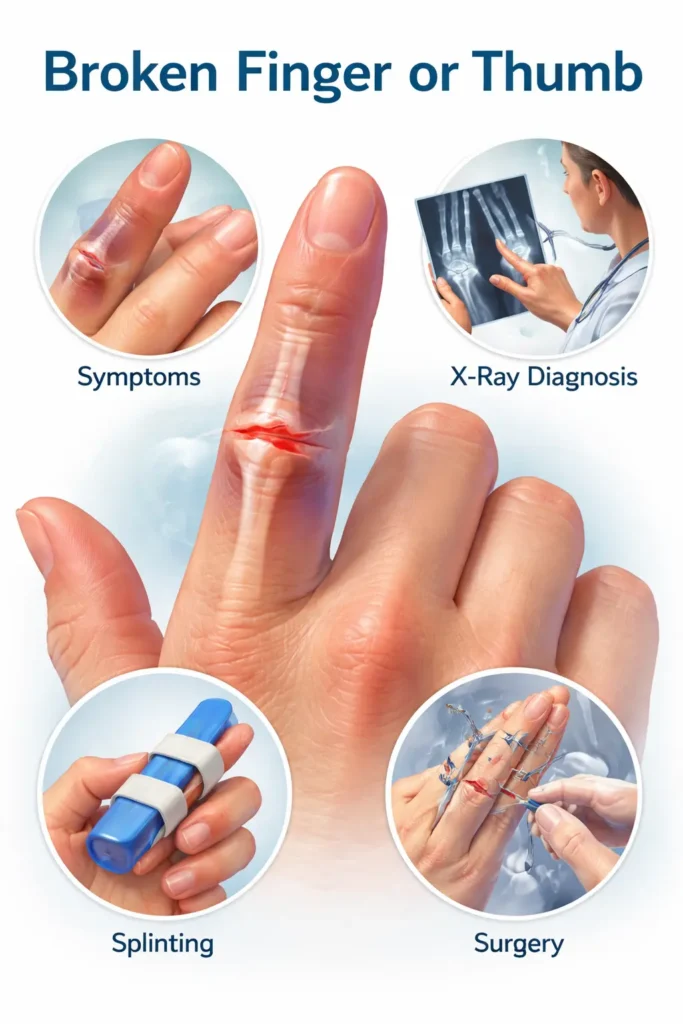
Pain is usually the first warning sign. You might feel severe pain immediately after the injury. Sometimes it’s sharp and intense. Other times, you might notice a dull pain that doesn’t go away.
Swelling develops fast after a finger fracture. Your finger might puff up and feel tight within minutes.
Bruising often appears within hours. You’ll see purple, blue, or black marks around the injured area.
Deformity means your finger looks wrong. You might notice an odd finger shape or see your finger bending at a strange angle. Misalignment is visible when your finger doesn’t line up with your other fingers.
Numbness or tingling shouldn’t be ignored. If you can’t feel your finger normally, nerves might be affected.
Stiffness and difficulty moving finger joints are common. You might struggle to bend or straighten the injured digit.
Important: You may still be able to move your finger even if it’s broken. Movement doesn’t rule out a fracture. Don’t rely on this to decide if you need care.
When to See a Doctor Immediately
Seek emergency care right away if:
- Bone protrudes through skin
- Pain is unbearable
- Your finger is completely numb
- You cannot move your finger at all
- Your finger looks severely bent or twisted
Visit an urgent care center or emergency department as soon as possible for any suspected broken finger or thumb.
What Causes Broken Fingers and Thumbs?
Most finger fractures result from accidents and injuries. Common causes include:
Sports injuries are frequent culprits. A baseball hitting your hand, jamming your finger during basketball, or falling during football can cause fractures.
Falls often lead to broken fingers. When you put your hand out to catch yourself, the impact can break finger bones.
Door or drawer injuries happen when you accidentally slam your finger. The crushing force can easily break small phalanges.
Car accidents can cause serious hand trauma that breaks multiple bones.
Tool-related injuries occur when using hammers, drills, or power saws. Workplace accidents are a common source of finger fractures.
Who Is at Higher Risk?
Certain people face greater risk of broken fingers and broken thumbs:
- People with weakened bones from osteoporosis
- Those with calcium deficiency or vitamin D deficiency
- Athletes and active individuals
- Manual laborers
- Older adults with fragile bones
How Doctors Diagnose a Broken Finger
A healthcare provider will examine your hand and ask about your injury. They’ll check if your finger:
- Angles in the wrong direction
- Looks shorter than your other fingers
- Crosses over other fingers (scissoring)
An X-ray confirms the diagnosis. This imaging test shows exactly where the bone break is located and how severe it is. X-rays help your doctor plan the right treatment.
The physical examination combined with X-rays gives doctors all the information they need for proper medical evaluation.
Treatment Options for Broken Fingers and Thumbs
Treatment depends on the type and severity of your fracture. Your orthopedic provider will recommend the best approach.
First Aid Before Medical Care
While waiting to see a doctor, you can:
- Apply ice therapy (wrapped in cloth, not directly on skin)
- Keep your hand elevated above your heart
- Use immobilization by gently supporting the finger
- Seek pain relief with over-the-counter medication
Don’t try to straighten your finger yourself. Leave bone realignment to medical professionals.
Non-Surgical Treatment
Many finger fractures heal without surgery:
Splinting is common for nondisplaced fractures. A finger splint or thumb splint keeps the bone straight while it heals. You’ll typically wear the splint for several weeks.
Buddy taping means taping your injured finger to the one next to it. The healthy finger acts as a natural splint.
Reduction might be needed for displaced fractures. Your doctor will use local anesthesia or a nerve block to numb your finger, then carefully move the bones back into proper alignment. This is called bone realignment.
After reduction, you’ll wear a splint to keep bones in position during the healing process.
When Surgery Is Needed
Finger surgery or thumb surgery becomes necessary for:
- Severe fractures with multiple fractures
- Unstable fractures that won’t stay in place
- Open fractures where bone protrudes through skin
- Loose bone fragments that need removal
- Joint involvement fractures
During orthopedic treatment, your surgeon uses screws, plates, pins, or wires to hold bones together. This surgical hardware keeps everything aligned during healing. Some bone fixation devices are temporary and removed later. Others stay permanently.
“The chances of successful treatment increase the sooner your treatment starts. Don’t delay seeking care for a broken finger or thumb.”
Recovery and Healing Time
Recovery time for a broken finger or thumb varies widely. The healing process typically takes several weeks to a few months.
Factors affecting healing include:
- Your age and overall health
- The severity of the fracture
- Whether you had surgery
- How well you follow treatment instructions
Rehabilitation Is Essential
Physical therapy helps you regain full function. Hand therapy with a specialized therapist is often recommended.
Rehab exercises are crucial for:
- Restoring range of motion
- Reducing swelling
- Preventing stiffness
- Building strength back up
Start rehabilitation exercises as soon as your doctor approves. Stiffness prevention depends on moving your finger at the right time during recovery.
Returning to Normal Activities
Your healthcare provider will tell you when it’s safe to use your hand normally again. This depends on your injury and how well you’re healing.
Gradual return works best. Start with light activities and slowly increase what you do. Protect your finger during the early stages of long-term recovery.
Potential Complications
Without proper medical treatment, broken fingers can lead to:
- Permanent deformity
- Chronic finger pain or thumb pain
- Loss of motion and limited mobility
- Arthritis in the affected joint
- Poor alignment that affects hand function
Delayed treatment increases these risks. That’s why successful treatment starts with seeing a healthcare provider quickly—ideally within one week of injury.
Even with treatment, some complications can occur:
- Infection (especially with open fractures)
- Problems with surgical hardware
- Stiffness if rehabilitation is inadequate
- Slower bone healing in some people
Contact your doctor immediately if you notice signs of infection, increasing pain, or new problems during recovery.
Preventing Finger and Thumb Fractures
While you can’t prevent all accidents, you can reduce your risk:
- Wear protective gear during sports and work
- Be careful with doors and drawers
- Use tools safely and follow proper techniques
- Maintain strong bones through good nutrition (calcium and vitamin D)
- Take precautions to prevent falls
Strong bones resist fractures better. Make sure you get enough calcium and vitamin D. Ask your doctor if you need supplements, especially if you have risk factors for weakened bones.
When to Seek Medical Care
Never ignore a suspected broken finger or thumb. You should see a healthcare provider or visit urgent care if you experience:
- Severe pain after hand trauma
- Visible deformity or misalignment
- Significant swelling and bruising
- Numbness or tingling
- Difficulty moving finger joints
- Any concern that you might have a fracture
Choose the emergency department for serious situations like open fractures or unbearable pain.
Frequently Asked Questions
Can you move a broken finger? Yes, sometimes. Movement doesn’t rule out a bone break. Many people can still bend their fractured finger, though it usually hurts.
Will my finger look normal again? Most broken fingers heal well with proper orthopedic care. The prognosis is generally good. Following your treatment plan and completing rehabilitation gives you the best chance for full recovery.
How much does treatment cost? Costs vary based on your treatment type, whether you need surgery, and your insurance coverage. Contact your insurance provider for specific cost information.
Can a broken finger heal on its own? No. Self-treatment is risky. Without proper medical treatment and immobilization, your finger bones might heal in the wrong position, causing permanent problems.
Conclusion
A broken finger or thumb is a common hand injury that needs professional care. Whether you have a simple nondisplaced fracture or a complex bone break requiring surgery, proper medical treatment makes all the difference.
Don’t let embarrassment or uncertainty keep you from seeking care. Even what seems like a minor injury deserves attention from a healthcare provider. Early treatment prevents complications and supports the best possible outcome.
With appropriate orthopedic treatment, proper immobilization, and dedicated rehabilitation, most people recover fully from finger fractures and thumb fractures. Your fingers will regain their strength and function.