
How to Stop Stuttering: 5 Tips That Can Help Improve Your Speech
Do you struggle to get words out even when you know what you want to say? You’re not alone. About 3 million Americans deal with stuttering every day. If you face any problem related iphone guide then visit this page.
Stuttering is a speech disorder that makes speaking feel hard. But there’s good news. You can learn how to stop stuttering or at least manage it better.
This article shares five simple tips that really work.
What Is Stuttering?
Stuttering affects how you speak. You might repeat sounds or words. You might stretch sounds out too long. Or you might get stuck and can’t make any sound at all.If you have any issue related to Vacuum Leaks then dont worry we also provide solution of this issue here on this website.
This speech disorder shows up in different ways:
- Repeating syllables like “b-b-ball”
- Prolonging sounds like “ssssnake”
- Speech blocks where words won’t come out
- Long pauses while speaking
People also call this stammering in British English. But stuttering and stammering mean the same thing. Both describe disfluent speech. If you want to read about Bad Teeth than visit this page.
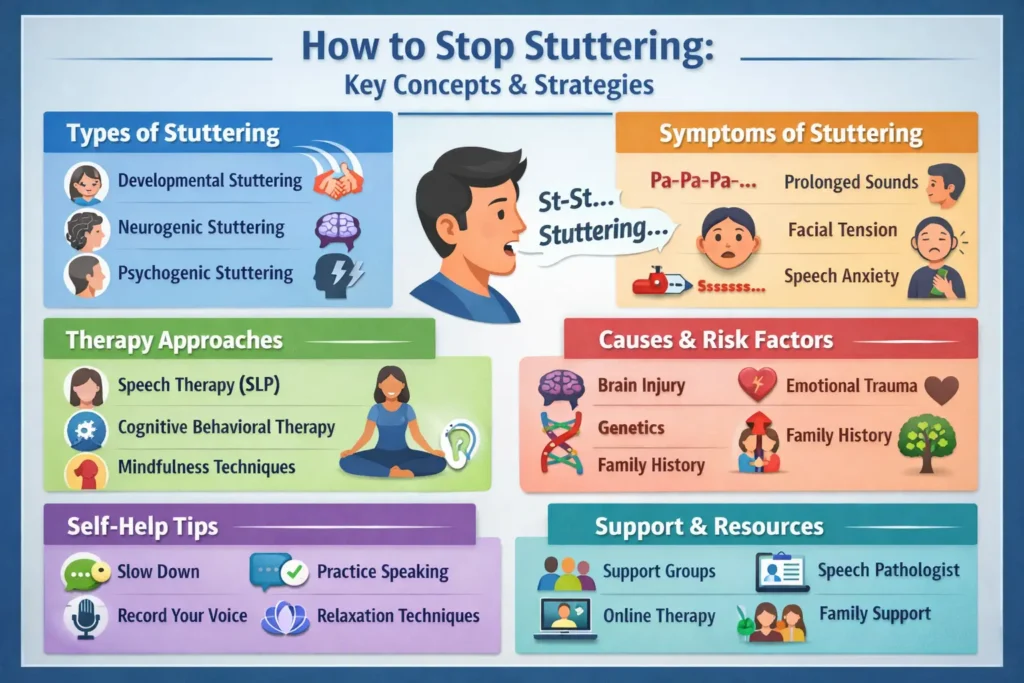
Types of Stuttering
There are three main types of stuttering.
Developmental stuttering happens in young children. It usually starts between ages 2 and 6. About 75 percent of kids outgrow it. The other 25 percent keep stuttering as adults.
Neurogenic stuttering happens after a stroke or brain injury. The neurological damage makes it hard to control speech.
Psychogenic stuttering is rare. It comes from emotional trauma or other mental health issues.
Who Gets Stuttering?
Childhood stuttering is most common. Boys are more likely to stutter than girls. If stuttering runs in your family, you have a higher chance of developing it too.
How to Stop Stuttering: 5 Proven Tips
Tip One: Slow Down Your Speech
One of the best ways to improve speech fluency is to slow down.
When you rush, you’re more likely to stammer. You might speed up your words. Or you might have trouble getting them out.
Try taking deep breaths before you speak. Pause between your thoughts. Speak slowly and carefully.
“Taking a few deep breaths and speaking slowly can help. Let those around you know that you’re trying this and that their patience can really help.”
This speech pacing technique works. Tell friends and family you’re practicing slow speech techniques. Ask for their patience. Most people are happy to help.
Tip Two: Practice in Safe Places
Practice speaking with people you trust. This helps you feel more comfortable.
Ask a close friend or family member to talk with you. Pick someone who makes you feel relaxed. Start with short conversations.
These safe speaking environments let you work on your speech without pressure. You can focus on speech awareness and building confidence.
Self-help groups can help too. You’ll meet other people who stutter. You can learn what works for them. You’ll also feel less alone.
Tip Three: Use Mindfulness and Breathing
Mindfulness techniques can reduce the anxiety that makes stuttering worse.
Meditation helps you stay calm and focused. Deep breathing relaxes your body. When you’re relaxed, speaking becomes easier.
Try these relaxation techniques:
- Take slow, deep breaths
- Focus on the present moment
- Let go of worries about how you sound
Research shows mindfulness practice can help with speech fluency. It works best as part of a complete treatment plan.
Tip Four: Record Your Voice
Recording voice helps you track your progress. You can hear what triggers your stuttering.
Start slowly if hearing your own voice feels uncomfortable. That’s normal. But listening helps you notice patterns you might miss otherwise.
Self-monitoring shows you which words or situations are hardest. You can then work on those specific areas. Over time, you’ll hear yourself improving.
Tip Five: Try Modern Devices
Speech monitoring devices can help some people. These work like hearing aids.
The device sits in your ear. It uses delayed auditory feedback and frequency-altered feedback. This changes how you hear your own voice. It can help you speak more smoothly.
Some research supports these devices. But scientists aren’t sure if the effects last long-term.
New speech therapy apps are also available. Talk to your doctor about which tools might work for you.
Getting Professional Help
Work with a Speech-Language Pathologist
A speech-language pathologist (SLP) is an expert in speech therapy. They can create a treatment plan just for you.
An SLP will:
- Assess your specific speech disorder
- Teach you speech exercises
- Give you personalized strategies
- Track your progress over time
Early intervention works best for children. But adults can benefit from speech therapy too. It’s never too late to get help.
Treatment for Different Ages
Childhood stuttering treatment involves the whole family. Parents need to be patient. They should listen carefully and not interrupt. They should check in on how their child feels.
Adult stuttering treatment focuses on your communication goals. Your therapist will help you manage stuttering in work and social situations.
Join Support Groups
Support groups connect you with others who understand. You can share tips on overcoming stuttering. You can talk about public speaking challenges. You can support each other.
Many national organizations offer peer support. Some groups meet in person. Others connect online therapy platforms.
How to Help Someone Who Stutters
Do you know someone who stutters? Here’s how to support them.
Be patient. Let them speak at their own pace. Don’t rush them or finish their sentences.
Listen carefully. Give them your full attention. Make natural eye contact.
Don’t show frustration. Even if you feel impatient, hide it. Your reaction affects their confidence.
“Not only will this help them work on their stuttering, it can have a positive impact on their overall sense of well-being.”
Long-term support matters. Keep encouraging them. Celebrate small improvements. Be part of their support systems.
More Ways to Manage Stuttering
Know Your Triggers
Communication stress can make stuttering worse. Common triggers include:
- Being tired or sick
- Feeling rushed
- Social anxiety situations
- Public speaking
Learn what situations are hardest for you. Then you can prepare better. You can practice confidence building strategies ahead of time.
Take Care of Your Health
Your overall health affects your speech. Get enough sleep. Manage stress. Eat well. Exercise regularly.
When you feel good physically, speaking gets easier. Your emotional well-being and speech fluency are connected.
What to Expect

Progress Takes Time
Managing speech blocks doesn’t happen overnight. Stuttering management is a journey.
Be patient with yourself. Small improvements add up. Some days will be better than others. That’s normal.
Focus on progress, not perfection. Celebrate when you notice speech improvement. Even small wins matter.
When to Seek Help
See a speech-language pathologist if:
- Stuttering affects your daily life
- You avoid speaking because of it
- You’ve tried self-help but need more support
- Your child has been stuttering for more than six months
A pediatrician can refer children to specialists. Adults can find an SLP through their doctor or insurance.
Frequently Asked Questions
Can stuttering be cured completely?
Stuttering can be managed effectively. Many people achieve smooth speech fluency. But not everyone is completely “cured.”
The goal is symptom reduction and speech confidence. With the right help, you can speak clearly most of the time.
At what age should treatment start?
Early intervention helps children the most. If your child stutters for more than six months, see a specialist.
But it’s never too late. Adults can improve their speech too. Many successful treatments exist for adult stuttering.
Does stress make stuttering worse?
Yes. Anxiety and stress can increase stuttering. That’s why relaxation techniques help.
Managing your stress improves your speech. Cognitive behavioral therapy (CBT) can help if anxiety is a big issue.
Are there medications for stuttering?
No medication is FDA-approved specifically for stuttering. But some medications can help with related anxiety or depression.
Talk to your doctor if you think medication might help. A psychiatrist can discuss options for managing anxiety around speaking.
Final Thoughts
You don’t have to face this alone. Work with a speech-language pathologist. Join support groups. Ask family and friends for patience.
With practice and support, you can improve your speech fluency. You can feel more confident when you speak. You can reach your communication goals.
Take the first step today. Your journey to better speech starts now.
Need professional help? Talk to a speech-language pathologist about creating a personalized treatment plan. They can guide you toward the strategies that work best for you.