
Gum Recession: Understanding Causes, Symptoms & Treatment Options
Have you noticed your teeth looking longer than usual? You might be experiencing gum recession. This common dental problem affects nearly 88% of Americans over 65. But it can happen to anyone at any age.If you face any problem related iphone guide then visit this page.
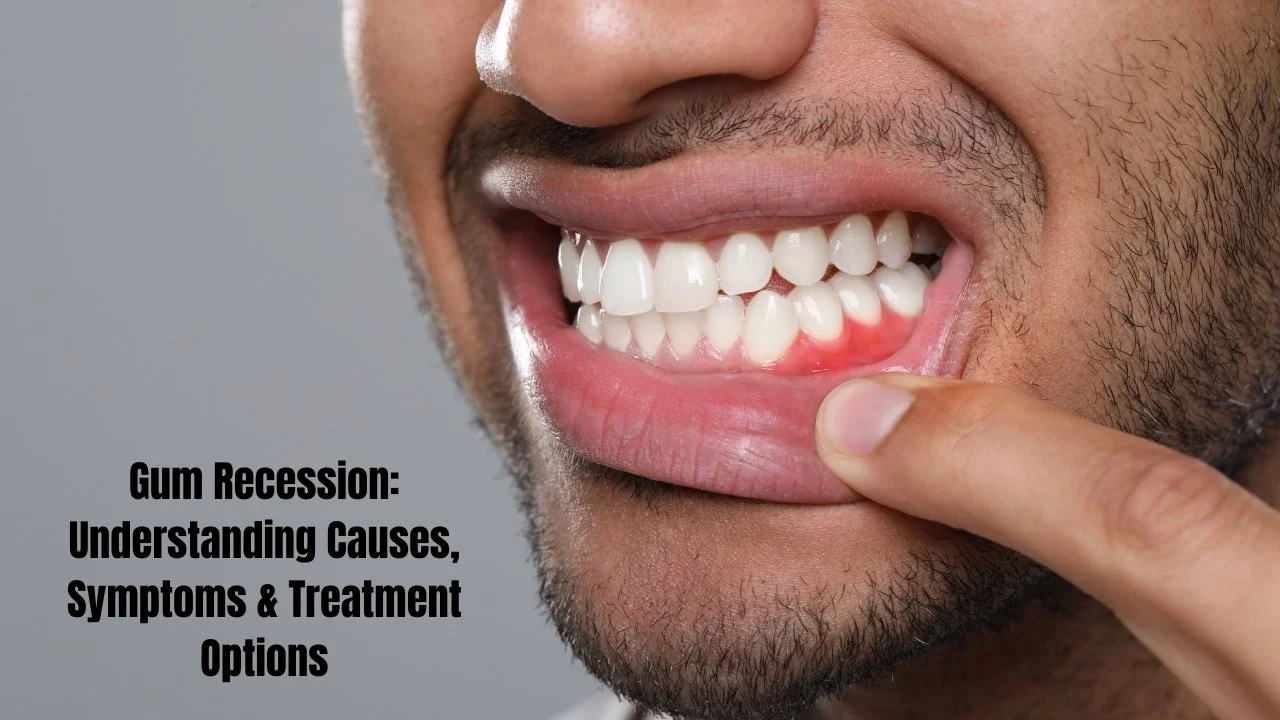
Gum recession occurs when your gum tissue pulls away from your teeth. This exposes the tooth roots underneath. The good news is that treatment can stop it from getting worse.
Let’s explore what causes receding gums and how you can protect your oral health.
What Is Gum Recession?
Gum recession is a form of periodontal disease. Your gum line gradually pulls back from your teeth. This creates gaps and exposes the sensitive tooth roots beneath.
Your teeth may appear longer than before. You might notice visible tooth roots when you smile or look in the mirror. This root exposure makes your teeth vulnerable to problems..If you have any issue related to Repair a Tire then dont worry we also provide solution of this issue here on this website.
Receding gums can affect just one tooth or multiple teeth. The condition ranges from mild gum recession to severe gum recession. Early detection is key to preventing serious complications.
“Gum recession is one of the most common dental conditions in America. The earlier you catch it, the better your chances of preserving your oral health.”If you want to read about Clock That Loses Time than visit this page.
Common Signs and Symptoms
How to Recognize Receding Gums
The most obvious sign is exposed roots. Your teeth look noticeably longer than they used to.
Tooth sensitivity is another major symptom. You might experience:
- Sensitivity to cold drinks or ice cream
- Sensitivity to heat from coffee or soup
- Pain near the gum line when eating
- Discomfort when brushing your teeth
- Sensitivity during flossing
Many people notice root sensitivity during dental cleanings. The tools touch the exposed roots, which can be uncomfortable.
Warning Signs You Shouldn’t Ignore
As gum recession progresses, you may develop more serious symptoms:
- Tooth mobility or loose teeth
- Bone loss around teeth
- Increased gaps between teeth and gums
- Changes in how your teeth fit together
These symptoms indicate advanced gum disease. See your dentist or periodontist right away if you notice them.
What Causes Gum Recession?
Periodontal Disease
Gum disease is the leading cause of receding gums. It starts as gingivitis with red, swollen gums.
Bacteria in your mouth create plaque buildup. When plaque isn’t removed, it hardens into tartar buildup. This tartar sits at the gum line and causes inflammation.
Without treatment, gingivitis turns into periodontal disease. This serious periodontal infection destroys gum tissue and bone. The gums pull away, creating periodontal pockets where more bacteria collect.
Aggressive Brushing Habits
Brushing too hard is a surprisingly common cause. Many people think aggressive brushing cleans better. But it actually damages delicate gum tissue.
Using a hard-bristled brush makes the problem worse. The bristles scrape away at your gums. Over time, this causes trauma to gums and gum injury.
Always use a soft-bristled toothbrush. Brush gently in circular motions. Let the bristles do the work, not pressure from your hand.
Poor Oral Hygiene
While aggressive brushing harms gums, poor oral hygiene is equally damaging. Not brushing and flossing enough allows plaque buildup to form.
Bacteria multiply rapidly in your mouth. They produce acids that irritate gum tissue. This leads to inflammation and infection.
Proper oral hygiene means brushing twice daily and flossing once daily. Use an antimicrobial mouthwash to kill bacteria too.
Lifestyle and Genetic Factors
Smoking and chewing tobacco significantly increase your risk. Tobacco products restrict blood flow to gums. This prevents healing and accelerates gum recession.
Lip piercing and tongue piercing can rub against gums constantly. This friction causes gum injury over time.
Tooth misalignment and abnormal tooth positioning contribute to recession. Teeth that don’t fit together properly put extra stress on certain areas. People who had braces or other orthodontic treatment may be at higher risk.
Some people have a genetic predisposition to thin gum tissue. If your parents had receding gums, you’re more likely to develop them too.
How Dentists Diagnose Gum Recession
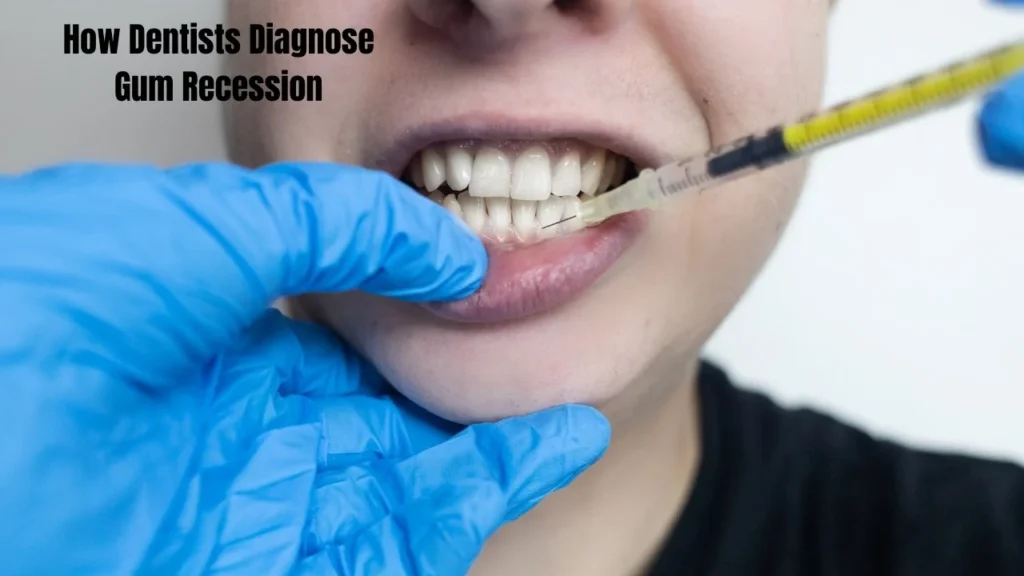
Your dentist can diagnose gum recession during a routine dental exam. They’ll perform a thorough dental examination of your gums.
The dentist uses a periodontal probe to measure your gum line. This special tool measures the depth of spaces between teeth and gums. These are called periodontal pockets.
Understanding Pocket Measurements
Healthy periodontal pockets measure 1 to 3 millimeters deep. Gingivitis causes pockets of 4 millimeters. Periodontal disease creates pockets of 5 millimeters or deeper.
The dentist also checks for bone loss. X-rays help show how much bone supports each tooth. A periodontist evaluation may be needed for advanced cases.
Early dentist diagnosis gives you the best chance for successful treatment.
Can Receding Gums Grow Back?
Unfortunately, no. Gum tissue cannot regenerate or grow back naturally once it’s receded.
The gums don’t have the same healing ability as other body tissues. Once gum recession occurs, those gums won’t return to their original position on their own.
However, you can prevent further gum recession. Treatment options can stop the disease progression. Surgery can even restore lost gum tissue through grafting.
The key is taking action quickly. Gum recession management focuses on stopping it from getting worse.
Treatment Options for Gum Recession
Managing Tooth Sensitivity
Tooth sensitivity from exposed roots can be painful. Your dentist can help reduce this discomfort.
Desensitizing agents like fluoride varnish can be applied to sensitive areas. These treatments calm the nerves inside your teeth.
Desensitizing toothpaste works well for home use. Look for products containing:
- Potassium nitrate
- Stannous fluoride
- Arginine
- Strontium chloride
These ingredients block pain signals from exposed roots. Use the toothpaste consistently for several weeks. Results improve over time.
Your dental hygienist can also use numbing agents during cleanings. This makes the procedure more comfortable.
Nonsurgical Treatment Options
For mild gum recession, your dentist may recommend nonsurgical treatment first.
Deep dental cleaning removes bacteria below the gum line. This procedure is called scaling and root planing. It cleans plaque and tartar from tooth roots.
Topical antibiotics help fight periodontal infection. Your periodontist might place antibiotic therapy directly under your gums. This kills harmful bacteria causing gum disease.
Antimicrobial mouth rinse or antimicrobial mouthwash reduces bacteria in your mouth. Use it twice daily as part of your oral hygiene routine.
Dental bonding can cover exposed roots. Your dentist applies tooth-colored composite resin to the affected areas. This protects the root and improves appearance. It helps with cosmetic concerns too.
Orthodontic correction might help if tooth misalignment caused your gum recession. Moving teeth into proper position allows gums to heal naturally over time.
Gum Recession Surgery
Moderate gum recession and severe gum recession usually require surgical treatment. Gum grafting surgery is the most effective option.
A periodontist or oral surgeon performs this periodontal surgery. During a gum graft, new tissue is placed over exposed roots. This provides root coverage and protection.
Types of Gum Grafts
The soft tissue graft usually comes from the roof of your mouth. Sometimes donor tissue or human tissue graft is used instead.
Your surgeon stitches the graft into place. It integrates with your existing gum tissue over time. Modern techniques make this gum recession surgery minimally invasive.
Recovery from Gum Surgery
Postoperative recovery typically takes about two weeks. Most people feel back to normal after this two-week recovery period.
Your oral surgeon will provide detailed instructions. Follow them carefully for the best treatment success. Proper care during healing time prevents complications.
Gum grafting surgery has excellent success rates. It provides long-term root coverage and improves oral health.
Preventing Gum Recession
You can significantly reduce your recurrence risk with good habits.
Daily Oral Hygiene
Proper oral hygiene is your best defense. Follow these steps to prevent gum recession:
- Brush gently twice daily with a soft-bristled toothbrush
- Use proper brushing twice daily technique
- Practice flossing daily to remove plaque between teeth
- Rinse with antimicrobial mouthwash twice daily
Never brush aggressively. Gentle cleaning protects delicate gum tissue.
Lifestyle Changes
Smoking cessation is crucial. Quitting smoking or tobacco avoidance dramatically improves gum health.
Remove any oral piercings. Lip piercing and tongue piercing cause constant trauma to gums.
Professional Dental Care
Schedule regular dental cleanings every six months. Some people need six-month cleanings or more frequent visits.
Your dentist will recommend the right schedule for you. Preventive care catches problems early.
Understanding Your Risk
Some risk factors can’t be changed. Genetic predisposition and thin gum tissue are inherited traits.
But even with these risks, good oral care makes a huge difference. Focus on what you can control.
When to See Your Dentist
Call your dentist or periodontist at the first sign of gum recession. Don’t wait for symptoms to worsen.
Schedule an appointment if you notice:
- Visible tooth roots or longer-looking teeth
- Sensitive teeth that bother you daily
- Pain near the gum line
- Tooth mobility or loose teeth
- Changes in your gum line
Early intervention prevents bone loss and tooth loss. Your dentist can create a personalized treatment plan.
Key Takeaways
Gum recession is common but manageable. While gum tissue can’t grow back naturally, treatments can stop progression.
The condition affects long-term oral health if left untreated. Exposed roots lead to sensitivity, decay, and possible tooth loss.
Multiple gum recession treatment options exist. From desensitizing toothpaste to gum grafting surgery, your dentist will recommend the best approach.
Prevention is always easier than treatment. Brush gently, floss daily, and see your dentist regularly. Avoid smoking and maintain proper oral hygiene.